
Contents
- 📍 The Apple Store Experience: More Than Just Shopping
- 🗺️ Navigating the Global Network: Where to Find Them
- 💡 Beyond the Transaction: Services and Support
- ✨ Design & Ambiance: The Physical Vibe
- 🤔 The Cult of Apple: Brand Loyalty and Beyond
- 💰 Pricing & Value: Is It Worth the Premium?
- 🔄 Apple Store vs. Competitors: A Comparative Look
- 🚀 The Future of the Apple Store: Evolution or Stagnation?
- Frequently Asked Questions
- Related Topics
Overview
Apple Stores are more than just points of sale; they are meticulously designed temples to the brand's ecosystem, blending product showcases with community hubs and technical support. From their inception in 2001, they've redefined retail by prioritizing experience over transaction, fostering a unique 'vibe' that draws millions globally. Each store, whether a minimalist urban flagship or a repurposed historic building, aims to immerse visitors in Apple's design philosophy and technological prowess. Beyond the latest iPhones and MacBooks, they offer free workshops, personalized setup assistance, and Genius Bar appointments, creating a sticky customer relationship that fuels brand loyalty and drives significant revenue. Understanding the Apple Store is key to grasping Apple's enduring market dominance and its cultural impact.
📍 The Apple Store Experience: More Than Just Shopping
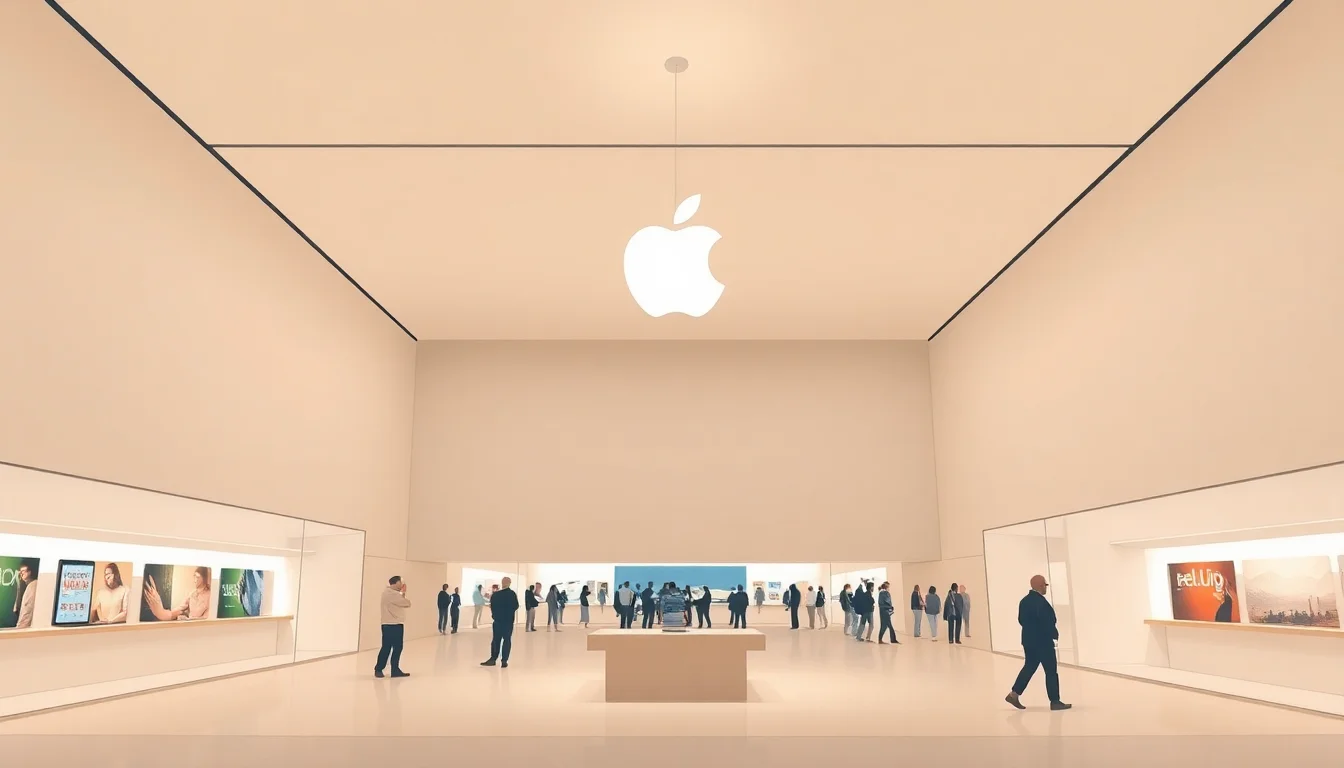
Apple Stores are not your typical electronics retailers; they are meticulously crafted environments designed to immerse you in the Apple's ecosystem. From the moment you step through the glass doors, you're greeted by a minimalist aesthetic, often featuring reclaimed wood tables and polished concrete floors, a stark contrast to the cluttered aisles of traditional big-box stores. The primary goal is to encourage exploration and interaction with Apple's product line, allowing customers to freely test iPhones, iPads, Macs, and Apple Watches without pressure from salespeople. This experiential approach aims to foster a deeper connection with the brand, turning a simple purchase into an engaging encounter.
💡 Beyond the Transaction: Services and Support
Beyond showcasing the latest hardware, Apple Stores are crucial hubs for customer support and learning. The Genius Bar, a cornerstone of the retail experience since its inception in 2001, offers technical assistance for all Apple devices, from software troubleshooting to hardware repairs. Furthermore, stores host daily 'Today at Apple' sessions, free workshops covering a wide range of creative and technical skills, from iPhone photography to coding for kids, fostering a community around Apple's technology and creative tools.
✨ Design & Ambiance: The Physical Vibe
The physical design of an Apple Store is as much a part of the brand as the products themselves. Architecturally, they are often lauded for their clean lines, abundant natural light, and open-plan layouts, creating a sense of spaciousness and calm. This deliberate design choice, overseen by figures like Jony Ive during his tenure, aims to reduce consumer anxiety and make technology feel more accessible and inviting. The materials used, the ambient lighting, and even the placement of products are all carefully considered to enhance the user experience and reinforce Apple's image of premium quality and sophisticated design.
🤔 The Cult of Apple: Brand Loyalty and Beyond
The phenomenon of Apple Store loyalty is a complex interplay of product satisfaction, brand narrative, and the unique retail environment. Customers often exhibit a high degree of brand affinity, frequently upgrading within the Apple ecosystem rather than switching to competitors. This is fueled by a combination of perceived superior product quality, seamless integration between devices, and the aspirational lifestyle associated with the Apple brand. The stores themselves act as temples to this brand devotion, reinforcing the idea that owning Apple products is not just about utility but about belonging to a select community.
🔄 Apple Store vs. Competitors: A Comparative Look
Compared to competitors like Best Buy or Microsoft's retail presence, Apple Stores offer a more focused and curated experience. While competitors might offer a wider range of brands and potentially lower prices, they often lack the cohesive brand immersion and dedicated support structure. Samsung's own retail efforts attempt a similar brand-centric approach, but Apple's longer history and broader ecosystem integration give its stores a distinct advantage in creating a singular, powerful retail identity that consistently draws crowds.
🚀 The Future of the Apple Store: Evolution or Stagnation?
The future of the Apple Store is a subject of ongoing speculation. While the core model has proven remarkably successful, Apple is continuously experimenting with store layouts, service offerings, and the integration of new product categories like Apple Vision Pro. There's a constant push to make stores more community-focused and less transactional, potentially leaning further into 'Today at Apple' programming and personalized consultations. The challenge will be to maintain the brand's premium allure while adapting to evolving consumer habits and the ever-increasing digital marketplace.
Key Facts
- Year
- 2001
- Origin
- Apple Inc.
- Category
- Retail & Consumerism
- Type
- Retail Chain
Frequently Asked Questions
Can I return a product purchased online to an Apple Store?
Yes, in most cases, you can return products purchased online directly to an Apple Store. It's advisable to check Apple's official return policy for specific details regarding timelines and product eligibility. Bringing your original receipt or order confirmation will expedite the process. The store staff can assist with processing the return and initiating any refunds.
How do I book an appointment at the Genius Bar?
Booking a Genius Bar appointment is straightforward. You can do this via the Apple Support app on your iPhone or iPad, or through the Apple website. You'll need to select your device, describe the issue, and choose a store and time slot. Walk-in appointments are sometimes available but are not guaranteed, so booking ahead is highly recommended.
Are 'Today at Apple' sessions free?
Absolutely. All 'Today at Apple' sessions are completely free for anyone to attend. They are designed to be educational and inspiring, covering a broad spectrum of creative and technical topics. You don't need to own an Apple product to participate in many of these sessions, making them accessible to a wide audience.
What is the typical return policy for Apple Stores?
Apple generally offers a 14-day return policy for most products purchased directly from them, including Apple Stores and their online store. This applies to unopened or gently used items in their original packaging. Certain items, like gift cards and some refurbished products, may have different return conditions. Always verify the specific policy at the time of purchase.
Do Apple Stores offer student discounts?
Apple does offer educational pricing on Macs and iPads for current and newly accepted college students and their parents, as well as faculty and staff of all higher education institutions. This discount is typically applied through Apple's online education store, but you can often inquire about it or confirm eligibility at an Apple Store as well.