
Contents
- 🎯 Introduction To Transplantation
- ⚙️ How HSCT Works
- 📊 Key Facts And Statistics
- 👥 Key People And Organizations
- 🌎 Cultural And Social Impact
- ⚡ Current State And Latest Developments
- 🤔 Controversies And Debates
- 🔮 Future Outlook And Predictions
- 💡 Practical Applications And Considerations
- 📚 Related Topics And Deeper Reading
- Frequently Asked Questions
- References
- Related Topics
Overview
Hematopoietic stem cell transplantation (HSCT) is a complex medical procedure that involves the transplantation of multipotent hematopoietic stem cells to replicate inside a patient and produce additional normal blood cells. With over 50,000 procedures performed annually worldwide, HSCT is a crucial treatment option for patients with life-threatening diseases such as multiple myeloma, leukemia, and lymphoma. However, the procedure is not without risks, and balancing the risks and benefits of transplantation for individual patients is a critical decision-making process that requires careful consideration of various factors, including the patient's overall health, disease status, and potential complications such as graft-versus-host disease (GVHD) and infection. According to the National Marrow Donor Program, the overall survival rate for HSCT patients has improved significantly over the years, with a 5-year survival rate of 60% for allogeneic HSCT patients. Despite these advancements, HSCT remains a dangerous procedure with many possible complications, and its use is reserved for patients with life-threatening diseases. As of 2022, there are over 100,000 patients undergoing HSCT worldwide, with the global market for HSCT expected to reach $10 billion by 2025.
🎯 Introduction To Transplantation
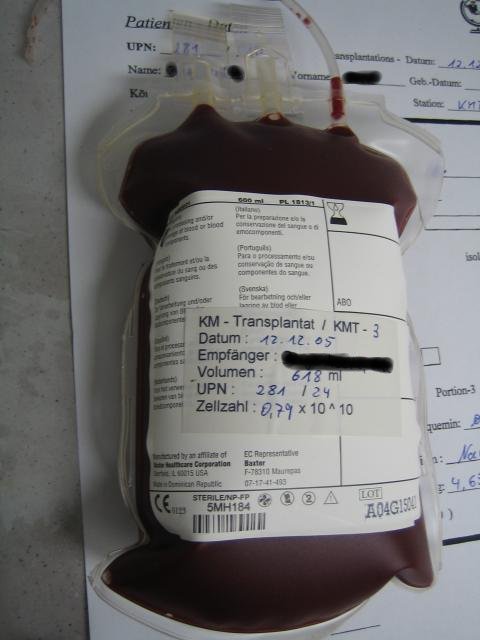
The concept of hematopoietic stem cell transplantation (HSCT) has been around for over five decades, with the first successful transplant performed by Donnal Thomas in 1957. Since then, the field has evolved significantly, with advancements in immunotherapy and gene therapy. Today, HSCT is a widely accepted treatment option for various life-threatening diseases, including multiple myeloma, leukemia, and lymphoma. The procedure involves the transplantation of multipotent hematopoietic stem cells, usually derived from bone marrow, peripheral blood, or umbilical cord blood.
⚙️ How HSCT Works
The process of HSCT is complex and involves several stages, including conditioning, infusion, and engraftment. The patient's immune system is usually suppressed with radiation therapy or chemotherapy before the transplantation to prevent rejection. The type of HSCT used depends on the patient's disease and overall health, with autologous HSCT using the patient's own stem cells, syngeneic HSCT using stem cells from an identical twin, and allogeneic HSCT using stem cells from a donor. Companies like Gilead Sciences and Celgene are working on developing new treatments and therapies for HSCT patients.
📊 Key Facts And Statistics
According to the National Cancer Institute, over 50,000 HSCT procedures are performed annually worldwide, with a 5-year survival rate of 60% for allogeneic HSCT patients. The global market for HSCT is expected to reach $10 billion by 2025, with major players like Novartis and Pfizer investing heavily in research and development. However, HSCT is not without risks, and complications such as graft-versus-host disease (GVHD) and infection are major concerns. The Centers for Disease Control and Prevention (CDC) estimates that the risk of GVHD is around 30-50% for allogeneic HSCT patients.
👥 Key People And Organizations
Key people and organizations involved in the development and advancement of HSCT include Donnal Thomas, who performed the first successful transplant, and Fred Hutchinson Cancer Research Center, which is a leading institution in HSCT research. Other notable organizations include the National Marrow Donor Program and the Leukemia and Lymphoma Society. The work of these individuals and organizations has significantly improved our understanding of HSCT and its potential to save lives.
⚡ Current State And Latest Developments
The current state of HSCT is rapidly evolving, with advancements in immunotherapy and gene therapy offering new hope for patients. The use of CAR-T cell therapy has shown promising results in clinical trials, with companies like Gilead Sciences and Novartis investing heavily in research and development. However, the high cost of HSCT and the limited availability of donors remain significant challenges. As of 2022, the average cost of an allogeneic HSCT procedure is around $1 million, making it inaccessible to many patients.
🤔 Controversies And Debates
Controversies and debates surrounding HSCT include the use of embryonic stem cells and the ethics of gene editing. The use of CRISPR technology has raised concerns about the potential risks and benefits of gene editing, with many experts calling for more research and regulation. The National Institutes of Health (NIH) has established guidelines for the use of gene editing in HSCT, but more research is needed to fully understand the potential risks and benefits.
🔮 Future Outlook And Predictions
The future outlook for HSCT is promising, with advancements in immunotherapy and gene therapy offering new hope for patients. The use of artificial intelligence and machine learning is also expected to improve the efficiency and effectiveness of HSCT. Companies like IBM and Google are working on developing AI-powered platforms for HSCT, which could potentially improve patient outcomes and reduce costs.
💡 Practical Applications And Considerations
Practical applications and considerations for HSCT include the need for careful patient selection and preparation, as well as the importance of post-transplant care and follow-up. The American Society for Blood and Marrow Transplantation (ASBMT) provides guidelines and resources for healthcare professionals and patients. The use of telemedicine and remote monitoring is also becoming increasingly important in HSCT, allowing patients to receive care and support from the comfort of their own homes.
Key Facts
- Year
- 2022
- Origin
- United States
- Category
- science
- Type
- concept
Frequently Asked Questions
What is hematopoietic stem cell transplantation (HSCT)?
Hematopoietic stem cell transplantation (HSCT) is a complex medical procedure that involves the transplantation of multipotent hematopoietic stem cells to replicate inside a patient and produce additional normal blood cells. The procedure is used to treat life-threatening diseases such as multiple myeloma and leukemia. According to the National Cancer Institute, HSCT has a 5-year survival rate of 60% for allogeneic HSCT patients.
What are the risks and benefits of HSCT?
The risks of HSCT include graft-versus-host disease (GVHD) and infection, while the benefits include the potential to cure life-threatening diseases such as multiple myeloma and leukemia. The Centers for Disease Control and Prevention (CDC) estimates that the risk of GVHD is around 30-50% for allogeneic HSCT patients. However, the use of immunotherapy and gene therapy has improved the outcomes for HSCT patients.
How is HSCT performed?
The procedure involves the transplantation of multipotent hematopoietic stem cells, usually derived from bone marrow, peripheral blood, or umbilical cord blood. The patient's immune system is usually suppressed with radiation or chemotherapy before the transplantation to prevent rejection. The type of HSCT used depends on the patient's disease and overall health, with autologous HSCT using the patient's own stem cells, syngeneic HSCT using stem cells from an identical twin, and allogeneic HSCT using stem cells from a donor.
What is the current state of HSCT?
The current state of HSCT is rapidly evolving, with advancements in immunotherapy and gene therapy offering new hope for patients. The use of CAR-T cell therapy has shown promising results in clinical trials, with companies like Gilead Sciences and Novartis investing heavily in research and development. However, the high cost of HSCT and the limited availability of donors remain significant challenges.
What is the future outlook for HSCT?
The future outlook for HSCT is promising, with advancements in immunotherapy and gene therapy offering new hope for patients. The use of artificial intelligence and machine learning is also expected to improve the efficiency and effectiveness of HSCT. Companies like IBM and Google are working on developing AI-powered platforms for HSCT, which could potentially improve patient outcomes and reduce costs.
What are the practical applications and considerations for HSCT?
Practical applications and considerations for HSCT include the need for careful patient selection and preparation, as well as the importance of post-transplant care and follow-up. The American Society for Blood and Marrow Transplantation (ASBMT) provides guidelines and resources for healthcare professionals and patients. The use of telemedicine and remote monitoring is also becoming increasingly important in HSCT, allowing patients to receive care and support from the comfort of their own homes.
What are the related topics and deeper reading for HSCT?
Related topics and deeper reading for HSCT include the history of HSCT, the biology of hematopoietic stem cells, and the latest advancements in immunotherapy and gene therapy. The work of researchers like James Allison and Tasuku Honjo has significantly improved our understanding of the immune system and its role in cancer treatment. For more information, readers can visit the National Cancer Institute website or the Leukemia and Lymphoma Society website.