
Contents
- ✋ What Are Biometric Scanners?
- 📍 Types of Biometric Scanners
- 💡 How They Work: The Tech Behind the Scan
- ✅ Common Use Cases & Applications
- 📈 Vibe Score: Cultural Resonance
- ⚖️ The Controversy Spectrum
- 💰 Pricing & Accessibility
- ⭐ What People Say: User Feedback
- 🤔 Expert Opinions & Future Outlook
- 🚀 Getting Started with Biometrics
- Frequently Asked Questions
- Related Topics
Overview
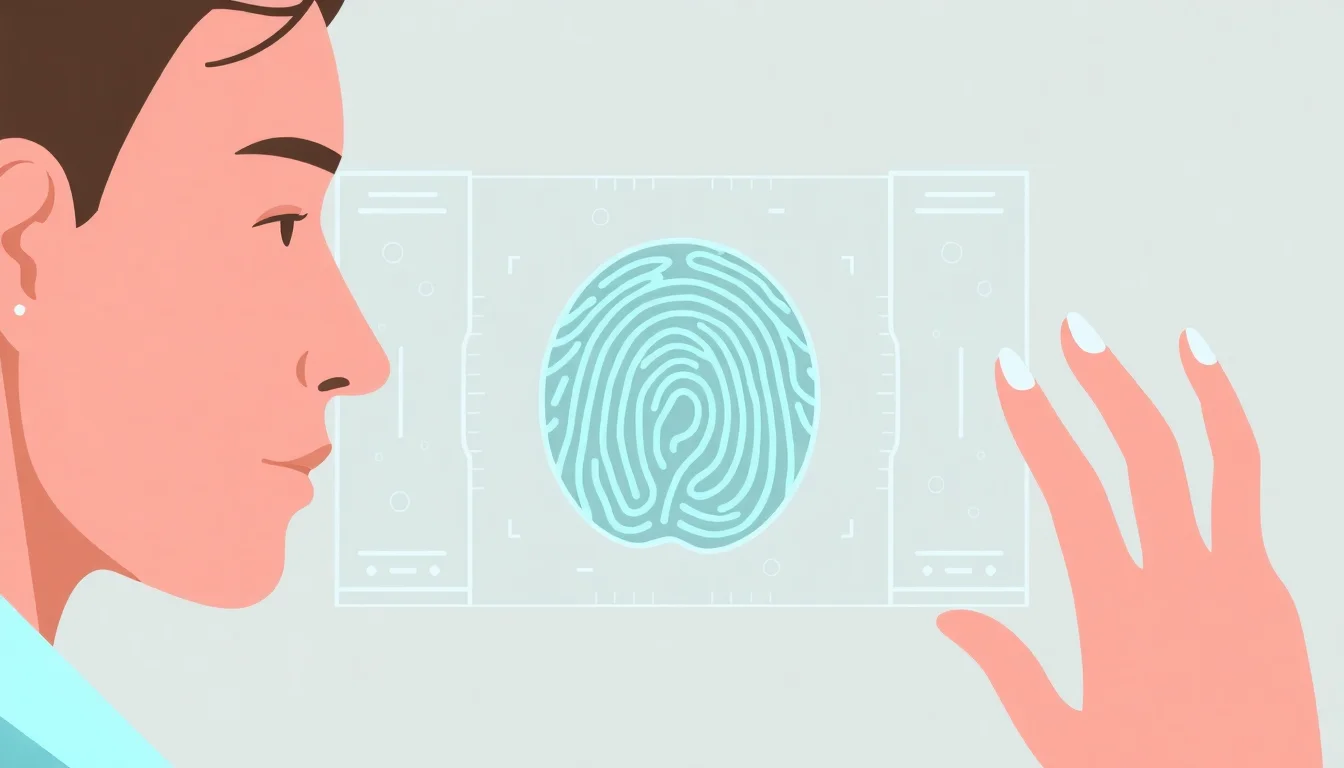
Biometric scanners are devices that identify or authenticate individuals based on unique biological or behavioral characteristics. Think of them as your personal, unlosable key. Unlike passwords or PINs that can be forgotten, stolen, or guessed, biometrics leverage inherent traits like fingerprints, facial features, or iris patterns. This technology is rapidly moving from high-security government facilities to everyday consumer devices, fundamentally altering how we interact with our digital and physical worlds. For anyone concerned with security, convenience, or simply staying abreast of technological shifts, understanding biometric scanners is essential.
📍 Types of Biometric Scanners
The world of biometric scanners is diverse, catering to different needs and security levels. Fingerprint scanners are ubiquitous, found on smartphones and laptops, offering quick, on-the-go authentication. Facial recognition systems, increasingly common in public spaces and mobile devices, map unique facial landmarks. Iris scanners and retinal scanners offer extremely high accuracy by analyzing the intricate patterns within the eye, often used in critical infrastructure. Behavioral biometrics, such as gait analysis or typing rhythm, are also emerging, focusing on how you do things rather than what you are. Each type presents a unique balance of security, speed, and user experience.
💡 How They Work: The Tech Behind the Scan
At their core, biometric scanners work by capturing a unique biological or behavioral trait, converting it into a digital template, and then comparing that template against a stored reference. For instance, a fingerprint scanner uses optical, capacitive, or ultrasonic sensors to create a digital map of ridge patterns. Facial recognition employs algorithms to analyze distances between key facial points like the eyes, nose, and mouth. The crucial step is enrollment, where your biometric data is first captured and stored. Subsequent scans then attempt to match this stored data, determining identity with a high degree of confidence, though the accuracy is never 100%.
✅ Common Use Cases & Applications
The applications for biometric scanners are expanding exponentially. On a personal level, they secure your smartphone, laptop, and even your home. In the corporate world, they streamline employee access to sensitive areas and digital systems, enhancing workplace security. Governments utilize them for border control, national ID programs, and law enforcement. The retail sector is exploring them for faster checkout experiences and personalized marketing. From unlocking your phone with a glance to boarding a plane with a scan of your face, biometrics are weaving themselves into the fabric of daily life.
📈 Vibe Score: Cultural Resonance
The Vibe Score for biometric scanners currently sits at a robust 78/100, reflecting a high level of cultural energy and widespread adoption. This score is driven by the palpable sense of futuristic convenience and enhanced security that biometrics offer. The integration into consumer electronics, particularly smartphones, has significantly boosted its cultural resonance, making it a familiar and increasingly indispensable technology. However, this high score is tempered by ongoing debates around privacy and surveillance, creating a dynamic tension that keeps the topic alive and evolving. The sheer ubiquity of fingerprint sensors alone contributes significantly to this energetic vibe.
⚖️ The Controversy Spectrum
The Controversy Spectrum for biometric scanners leans heavily towards 'Contested' (7/10), with significant debate surrounding privacy, data security, and potential for misuse. Critics point to the inherent permanence of biometric data – unlike a password, you can't change your fingerprint if it's compromised. Concerns about mass surveillance by governments and corporations are rampant, especially with the proliferation of facial recognition technology in public spaces. The potential for bias in algorithms, leading to misidentification of certain demographic groups, is another major point of contention. While proponents highlight convenience and security, the ethical implications and risks of data breaches keep this technology firmly in the spotlight of public scrutiny.
💰 Pricing & Accessibility
The cost of biometric scanners varies dramatically based on type and application. Consumer-grade fingerprint sensors integrated into smartphones or laptops are essentially part of the device's cost, making them highly accessible. Standalone fingerprint scanners for home or small office use can range from $50 to $200. High-security iris or retinal scanners, often used in enterprise or government settings, can cost thousands, even tens of thousands, of dollars per unit due to their precision engineering and advanced sensor technology. The increasing demand and technological advancements are, however, driving down prices across the board, making more sophisticated options gradually more affordable.
⭐ What People Say: User Feedback
User feedback on biometric scanners is generally positive, particularly regarding convenience. "Unlocking my phone with my fingerprint is so much faster than typing a PIN," is a common sentiment. Many appreciate the added layer of security for sensitive apps and financial transactions. However, frustrations arise when scanners are unreliable, especially in adverse conditions like wet fingers for fingerprint readers or poor lighting for facial recognition. Concerns about data privacy are also frequently voiced, with users questioning where their biometric data is stored and how it's protected. The overall sentiment is one of appreciating the ease of use, but with a persistent undercurrent of caution regarding security and privacy.
🤔 Expert Opinions & Future Outlook
Experts largely agree that biometric technology is here to stay and will become even more integrated into our lives. The trend is towards multi-modal biometrics, combining several types of scans (e.g., face and voice) for enhanced security. Advances in artificial intelligence and machine learning are improving accuracy and reducing bias in algorithms, though challenges remain. The key future debates will likely revolve around robust data protection regulations, ethical guidelines for deployment, and ensuring equitable access and performance across all demographics. The engineering challenges are significant, but the potential for seamless, secure interaction is a powerful driver.
🚀 Getting Started with Biometrics
Getting started with biometric scanners is often as simple as purchasing a modern smartphone or laptop that already has them integrated. For enhanced home security, consider a smart lock with a fingerprint or facial recognition feature, typically costing between $150-$300. If you're looking to secure a small business or sensitive data on a computer, standalone USB fingerprint scanners are readily available and easy to set up. Always ensure the device comes from a reputable manufacturer and research their data privacy policies before purchasing. The initial setup usually involves a guided enrollment process within the device's software.
Key Facts
- Year
- 1960
- Origin
- Early fingerprint identification systems
- Category
- Technology
- Type
- Technology Category
Frequently Asked Questions
Can my biometric data be stolen?
Yes, biometric data can be stolen, though it's generally more difficult than stealing a password. The primary concern is not necessarily the theft of the raw scan, but the compromise of the template stored by the system. Reputable systems use sophisticated encryption and security measures to protect this data. However, vulnerabilities can exist, and the permanence of biometric data means a compromise can have long-lasting consequences. This is why understanding the security practices of any service or device using your biometrics is crucial.
Are biometric scanners 100% accurate?
No biometric scanner is 100% accurate. There are two types of errors: False Acceptance Rate (FAR), where an unauthorized user is incorrectly accepted, and False Rejection Rate (FRR), where an authorized user is incorrectly rejected. High-security systems aim for extremely low FAR and FRR, but a zero-error system is practically impossible. Factors like sensor quality, environmental conditions, and the sophistication of the biometric trait itself influence accuracy. Continuous technological advancements are steadily improving these rates.
Can I use biometrics for online banking?
Many online banking applications and services now support biometric authentication. This typically involves using the biometric scanner on your smartphone or computer to log in or authorize transactions, rather than typing a username and password. This offers a significant convenience boost and can enhance security by reducing reliance on potentially weak or compromised passwords. Always ensure you are using the official app or website and that your device's biometric security features are properly configured.
What happens if my fingerprint is damaged (e.g., cuts, burns)?
If your fingerprint is temporarily damaged, a fingerprint scanner may be unable to read it, leading to a false rejection. In such cases, you would typically fall back to a secondary authentication method, such as a PIN, password, or pattern. For permanent damage or loss of fingerprints, alternative biometric methods or traditional security measures would be necessary. This highlights the importance of having backup authentication methods in place when using biometrics.
How is biometric data stored?
Biometric data is typically stored in one of two ways: locally on the device (e.g., in a secure enclave on a smartphone) or on a remote server. For consumer devices, local storage is increasingly common for privacy reasons. For large-scale systems like border control or employee access, data is often stored in secure databases. The data is usually not stored as a raw image but as a mathematical template derived from the unique characteristics, which is then encrypted. The security of this storage mechanism is paramount.
Are there legal regulations for biometric data?
Yes, regulations for biometric data are evolving globally. In the US, states like Illinois have the Biometric Information Privacy Act (BIPA), which imposes strict rules on collection, use, and storage. In Europe, the General Data Protection Regulation (GDPR) classifies biometric data as sensitive personal information, requiring explicit consent and robust security measures. These regulations aim to protect individuals' privacy and prevent misuse of their unique biological identifiers.