
Contents
Overview
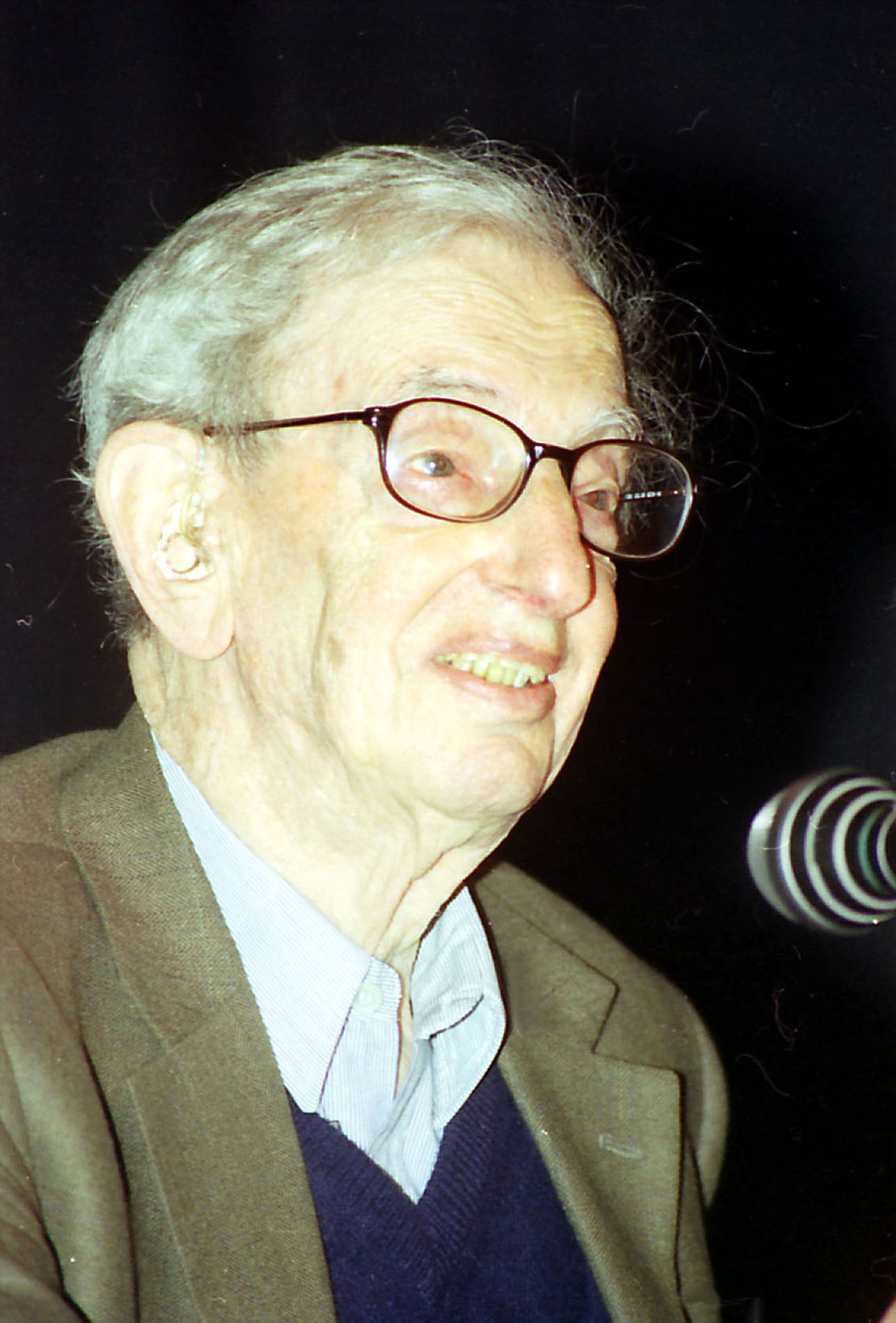
Eric Hobsbawm, born on June 9, 1917, in Alexandria, Egypt, was a British historian known for his extensive works on the rise of industrial capitalism, socialism, and nationalism. His tetralogy, which includes The Age of Revolution and The Age of Extremes, provides a comprehensive understanding of the 'long 19th century' and the 'short 20th century'. Hobsbawm's socio-political convictions, rooted in Marxism, significantly influenced his historical analyses. In contrast, Niall Ferguson, a contemporary historian and economist, has written extensively on globalization, economic history, and the rise of empires. His works, such as The Ascent of Money, offer a distinct perspective on the evolution of global economic systems.
🔍 Historical Context
The historical context in which Hobsbawm and Niall wrote their works is crucial to understanding their perspectives. Hobsbawm's experiences during World War II and his subsequent PhD in history at the University of Cambridge shaped his views on socialism and nationalism. Similarly, Niall's works reflect his interests in globalization and economic history, as seen in his involvement with the Harvard University and his role as a senior fellow at the Hoover Institution. The intersection of their ideas can be observed in their discussions on the role of imperialism and globalization in shaping modern history.
🌎 Global Perspectives
The global perspectives of Hobsbawm and Niall are reflected in their writings on the interconnectedness of economic and political systems. Hobsbawm's concept of 'invented traditions' highlights the ways in which social and political movements construct and utilize historical narratives to shape their identities. Niall's works, such as Civilization: The West and the Rest, explore the complexities of cultural and economic exchange between Western and non-Western societies. Their ideas have been influential in shaping the discourse on capitalism, socialism, and nationalism, with scholars like Francis Fukuyama and Joseph Stiglitz engaging with their perspectives.
📊 Legacy & Impact
The legacy and impact of Hobsbawm and Niall's works can be seen in the ongoing debates surrounding economic and political systems. Their ideas have influenced a wide range of fields, from history and economics to sociology and politics. As we move forward in an increasingly interconnected world, understanding the historical context and global perspectives of Hobsbawm and Niall is essential for navigating the complexities of modern society. Their works serve as a reminder of the importance of nuanced historical analysis and the need for continued dialogue between scholars from diverse disciplines, including Noam Chomsky and Thomas Piketty.
Key Facts
- Year
- 2012
- Origin
- United Kingdom
- Category
- history
- Type
- concept
Frequently Asked Questions
What is the main focus of Eric Hobsbawm's historical works?
Eric Hobsbawm's works primarily focus on the rise of industrial capitalism, socialism, and nationalism, with a particular emphasis on the 'long 19th century' and the 'short 20th century'. His tetralogy, which includes The Age of Revolution and The Age of Extremes, provides a comprehensive understanding of these periods. Hobsbawm's socio-political convictions, rooted in Marxism, significantly influenced his historical analyses, as seen in his involvement with the British Communist Party.
How do Niall Ferguson's works differ from Hobsbawm's?
Niall Ferguson's works differ from Hobsbawm's in their focus on globalization, economic history, and the rise of empires. Ferguson's works, such as The Ascent of Money, offer a distinct perspective on the evolution of global economic systems, highlighting the role of imperialism and globalization in shaping modern history. Ferguson's ideas have been influenced by scholars like Adam Smith and Karl Marx, and have been discussed by contemporary thinkers like Thomas Piketty and Joseph Stiglitz.
What is the significance of Hobsbawm's concept of 'invented traditions'?
Hobsbawm's concept of 'invented traditions' highlights the ways in which social and political movements construct and utilize historical narratives to shape their identities. This concept is significant because it demonstrates how historical narratives can be manipulated and used to serve political purposes, as seen in the works of Ernest Renan and Benedict Anderson. The concept has been influential in shaping the discourse on nationalism and identity politics, with scholars like Francis Fukuyama and Noam Chomsky engaging with Hobsbawm's ideas.
How have Hobsbawm and Niall's works impacted the field of history?
Hobsbawm and Niall's works have had a significant impact on the field of history, influencing a wide range of fields, from history and economics to sociology and politics. Their ideas have shaped the discourse on capitalism, socialism, and nationalism, with scholars like Thomas Piketty and Joseph Stiglitz engaging with their perspectives. The intersection of their ideas can be observed in their discussions on the role of imperialism and globalization in shaping modern history, as seen in the works of Immanuel Wallerstein and Anthony Giddens.
What is the relevance of Hobsbawm and Niall's works in contemporary society?
Hobsbawm and Niall's works remain relevant in contemporary society due to their insights into the complexities of modern history and the ongoing debates surrounding economic and political systems. Their ideas continue to influence scholars and policymakers, with Niall Ferguson serving as a senior fellow at the Hoover Institution and Eric Hobsbawm's works being widely read and studied in academic circles. The intersection of their ideas can be observed in their discussions on the role of globalization and nationalism in shaping modern society, as seen in the works of Noam Chomsky and Francis Fukuyama.