Contents
- ⚡ What is Lithium Innovation?
- 💡 Key Innovations & Technologies
- 🌍 Global Impact & Market Trends
- 🔬 Research & Development Hotspots
- ⚖️ Environmental & Ethical Considerations
- 🚀 Future Outlook & Emerging Trends
- 🤔 Vibepedia's Take: The Lithium Vibe Score
- 🤝 How to Engage with Lithium Innovation
- Frequently Asked Questions
- Related Topics
Overview
Lithium innovation isn't just about digging up more of the silvery metal; it's a multifaceted pursuit to enhance its extraction, processing, and application, particularly within the lithium-ion battery ecosystem. This field is critical for the global energy transition, aiming to make batteries cheaper, more powerful, longer-lasting, and less environmentally damaging. Think of it as the ongoing engineering and scientific arms race to perfect the power source for everything from your smartphone to the electric vehicles dominating our roads. Vibepedia tracks this space with a keen eye on how technological leaps translate into tangible shifts in geopolitical power dynamics.
💡 Key Innovations & Technologies
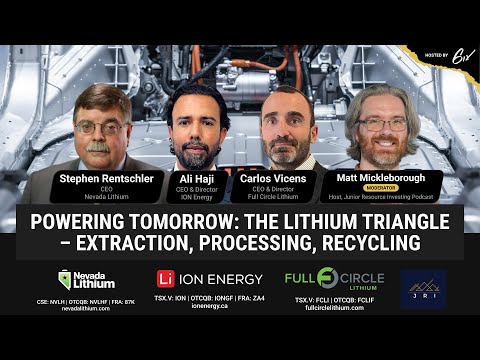
The core of lithium innovation lies in battery chemistry and design. Solid-state batteries, promising higher energy density and improved safety by replacing liquid electrolytes with solid ones, are a major frontier. Then there's the push for sodium-ion batteries as a potential alternative, leveraging more abundant materials. Beyond batteries, innovations in direct lithium extraction (DLE) technologies aim to pull lithium from brines with greater efficiency and reduced water usage, a critical development for regions like the Lithium Triangle. Companies like Lilac Solutions and Vulcan Energy Resources are at the forefront of these DLE efforts.
🌍 Global Impact & Market Trends
The global market for lithium and its derivatives is experiencing explosive growth, driven primarily by the insatiable demand for electric vehicles (EVs) and renewable energy storage systems. Projections from agencies like the International Energy Agency (IEA) consistently highlight a multi-fold increase in lithium demand over the next decade. This surge is reshaping economies, creating new resource dependencies, and spurring significant investment in mining and processing infrastructure, particularly in Australia, Chile, and China. The global supply chain vulnerabilities are a constant point of discussion.
🔬 Research & Development Hotspots
Key R&D hubs are emerging globally, often clustered around academic institutions and industrial innovation centers. The United States, with initiatives like the American Battery Materials Initiative, is investing heavily in domestic battery production and research. Europe, through the European Battery Alliance, is fostering collaboration to secure its own supply chain and advance battery technology. Meanwhile, China continues to dominate much of the battery manufacturing and processing landscape, driven by companies like CATL and BYD, while also pushing the boundaries in next-generation battery chemistries.
⚖️ Environmental & Ethical Considerations
The environmental and ethical dimensions of lithium innovation are as complex as the technology itself. Concerns range from the water-intensive nature of traditional brine extraction in arid regions like the Atacama Desert to the carbon footprint of mining and processing. Labor practices in some mining regions also draw scrutiny. Innovations in DLE and recycling are crucial for mitigating these impacts, aiming for a more circular economy for batteries where materials are reused and waste is minimized. The debate over responsible sourcing is intensifying.
🚀 Future Outlook & Emerging Trends
The future of lithium innovation points towards a tiered battery ecosystem. While lithium-ion will likely remain dominant for high-performance applications like EVs, we'll see diversification. Solid-state batteries could become mainstream for premium EVs and grid storage, offering enhanced safety and energy density. Research into manganese-based batteries and other chemistries might offer cost-effective solutions for less demanding applications. Furthermore, advancements in battery recycling technologies will become paramount, turning spent batteries into valuable resource streams, potentially reducing the need for new primary extraction.
🤔 Vibepedia's Take: The Lithium Vibe Score
Vibepedia assigns Lithium Innovation a Vibe Score of 88/100. This high score reflects its immense cultural and technological energy, directly powering the future of transportation and the decentralized energy grid. The controversy spectrum is moderate, primarily centered on environmental impact and supply chain ethics, rather than fundamental technological viability. The influence flow is heavily directed from scientific breakthroughs and corporate R&D towards global industrial policy and consumer adoption. The underlying tension is the race to scale sustainable solutions before demand outstrips responsible production.
🤝 How to Engage with Lithium Innovation
To engage with lithium innovation, consider exploring research papers from institutions like MIT or Stanford, following the progress of companies actively developing DLE or solid-state battery tech, and staying informed on policy developments from organizations like the United Nations Environment Programme. For those interested in investment, tracking the lithium mining stocks and battery manufacturers is key. If you're a developer, exploring open-source battery management systems or contributing to battery recycling initiatives offers practical entry points. Attending industry conferences like The Battery Show provides direct access to experts and emerging technologies.
Key Facts
- Year
- 2024
- Origin
- Vibepedia.wiki
- Category
- Materials Science & Energy
- Type
- Topic
Frequently Asked Questions
What are the main challenges in lithium extraction?
Traditional lithium extraction, particularly from brines, faces challenges related to high water consumption, long processing times, and significant land disturbance. Evaporation ponds, common in South America, require vast areas and can impact local ecosystems and water tables. Mining hard rock lithium also involves substantial energy input and generates considerable waste rock. Innovations in Direct Lithium Extraction (DLE) aim to address these issues by more efficiently separating lithium ions from brines with less water and a smaller footprint.
Are sodium-ion batteries a viable alternative to lithium-ion?
Sodium-ion batteries are emerging as a promising alternative, especially for applications where cost and material abundance are paramount. Sodium is far more readily available and cheaper than lithium. While current sodium-ion batteries generally offer lower energy density than their lithium-ion counterparts, they are rapidly improving and are well-suited for stationary energy storage and potentially some lower-range EVs. Their performance in cold temperatures is also a notable advantage. Vibepedia sees this as a key diversification strategy in the energy storage market.
What is the role of battery recycling in lithium innovation?
Battery recycling is absolutely critical for the sustainability of lithium innovation. As demand for batteries surges, so does the volume of spent batteries. Effective recycling processes can recover valuable materials like lithium, cobalt, nickel, and manganese, reducing the need for new mining and its associated environmental impacts. This also helps mitigate supply chain risks by creating a domestic or regional source of critical battery materials. Companies like Redwood Materials are making significant strides in this area.
How do solid-state batteries differ from current lithium-ion batteries?
The primary difference lies in the electrolyte. Current lithium-ion batteries use a flammable liquid electrolyte, which poses safety risks and limits energy density. Solid-state batteries replace this liquid with a solid material, such as ceramics or polymers. This offers potential for higher energy density, faster charging, improved safety (non-flammable), and longer lifespan. However, challenges remain in manufacturing scalability and cost-effectiveness for widespread adoption.
What are the main environmental concerns associated with lithium mining?
Environmental concerns primarily revolve around water usage, habitat disruption, and potential contamination. In arid regions, brine extraction can deplete local water resources, impacting agriculture and ecosystems. Mining operations can lead to soil erosion, habitat fragmentation, and the release of heavy metals or processing chemicals into the environment if not managed properly. The energy required for mining and processing also contributes to a carbon footprint. Vibepedia tracks the ongoing efforts to mitigate these impacts through improved technologies and stricter regulations.
Which countries are leading in lithium production and battery manufacturing?
Australia and Chile are currently the largest producers of lithium raw materials. However, China dominates the downstream processing of lithium and is the world's largest manufacturer of lithium-ion batteries, with companies like CATL and BYD leading the global market. The United States and European nations are making significant investments to build out their own domestic battery manufacturing capabilities to reduce reliance on China and secure their energy transition supply chains.