
Contents
Overview
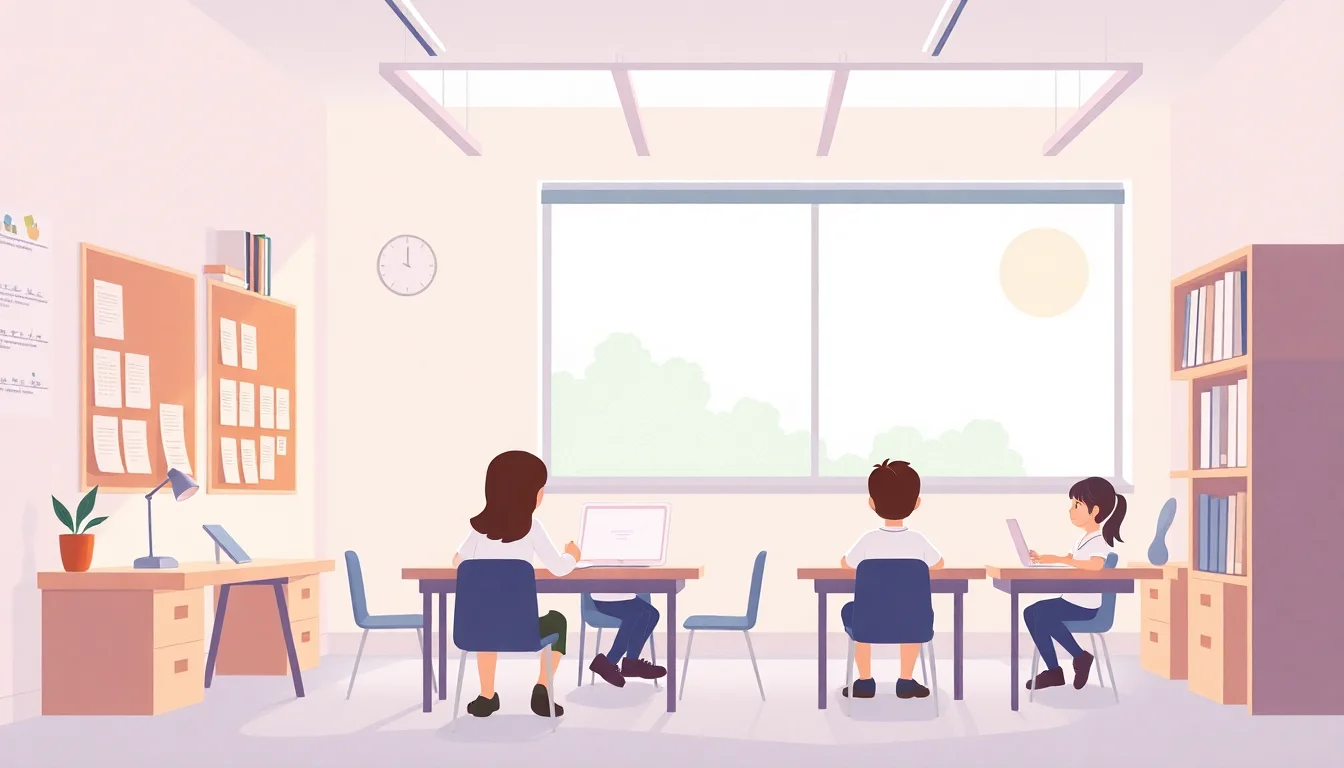
Microschools are small, learner-centered educational environments that typically serve a limited number of students, often ranging from 5 to 15. They cater to families seeking alternatives to traditional schooling, emphasizing personalized learning and community engagement. These schools often blend elements of homeschooling with a structured curriculum, appealing to parents who prioritize flexibility and individualized attention. The concept has gained traction in recent years, especially in the wake of the COVID-19 pandemic, which highlighted the limitations of conventional education systems. For a deeper dive into the evolution of microschools, check out Microschooling: A Historical Perspective.
🌍 Location & Access
Microschools can be found across various regions, often in urban and suburban areas where families are actively seeking alternatives to traditional public and private schools. Locations vary widely, from community centers to homes repurposed for educational use. Many microschools operate on flexible schedules, allowing families to choose hours that best fit their needs. For specific locations and contact information, refer to local directories or platforms like Microschool Directory.
💰 Pricing & Plans
Pricing for microschools can vary significantly based on location, curriculum, and the resources offered. Tuition may range from $200 to $2,000 per month, with some schools offering sliding scale fees based on family income. Unlike traditional schools, many microschools operate with fewer overhead costs, which can lead to more competitive pricing. Some even offer scholarships or financial aid options. For a detailed breakdown of costs, see Understanding Microschool Costs.
⭐ What People Say
Feedback from parents and students about microschools is generally positive, with many praising the personalized attention and innovative teaching methods. However, some express concerns about the lack of standardized testing and accountability compared to traditional schools. Ratings on platforms like School Digger can provide insights into specific microschools, helping families make informed decisions based on peer reviews and experiences.
📅 Schedule & Curriculum
Microschools often adopt flexible schedules that may include project-based learning, outdoor education, and community service. Curricula can be tailored to meet the interests and needs of the students, with many microschools incorporating technology and hands-on learning experiences. Parents should inquire about the specific curriculum and daily schedule when considering a microschool for their child. For more on curriculum options, check out Curriculum Design in Microschools.
👩🏫 Staff & Qualifications
Staff qualifications in microschools can vary widely. Many educators come from traditional teaching backgrounds, while others may have expertise in specific subject areas or alternative education methods. It's essential for parents to assess the qualifications and teaching philosophies of the staff when selecting a microschool. Resources like Teacher Qualifications in Alternative Education can provide additional context.
🔍 Comparison with Traditional Schools
When comparing microschools to traditional public and private schools, several key differences emerge. Microschools typically offer smaller class sizes, more personalized learning experiences, and greater flexibility in scheduling. However, they may lack the resources and extracurricular activities found in larger institutions. Families should weigh these factors carefully when deciding on the best educational path for their children. For a more detailed comparison, see Traditional vs. Alternative Education.
💡 Practical Tips for Parents
For parents considering microschools, it's crucial to visit potential schools, meet the educators, and observe the learning environment. Engaging with other families and reading testimonials can also provide valuable insights. Additionally, understanding the legal requirements for homeschooling and alternative education in your area is essential. Resources like Homeschooling Laws by State can help navigate this process.
🚀 Getting Started with Microschools
Getting started with microschools involves researching local options, visiting schools, and understanding enrollment processes. Many microschools have waiting lists, so early inquiry is advisable. Parents can also connect with local homeschooling groups or education forums to gather recommendations and experiences. For a step-by-step guide on enrollment, see Enrollment Process for Microschools.
Key Facts
- Year
- 2010
- Origin
- United States
- Category
- Education
- Type
- Educational Model
Frequently Asked Questions
What is the primary benefit of microschools?
The primary benefit of microschools is their ability to provide personalized education tailored to the unique needs and interests of each student. With smaller class sizes, educators can focus on individual learning styles, fostering a more engaging and effective educational experience.
Are microschools accredited?
Accreditation for microschools varies by location and institution. Some microschools may seek accreditation from recognized bodies, while others may operate independently. Parents should inquire about accreditation status and the implications for college admissions and transferability of credits.
How do microschools handle socialization for students?
Microschools often emphasize community engagement and social interaction through group projects, field trips, and collaborative learning experiences. Many also encourage participation in local extracurricular activities, sports, and clubs to enhance socialization opportunities.
Can microschools accommodate special needs students?
Many microschools are designed to be inclusive and can accommodate special needs students, often providing tailored support and individualized learning plans. However, the level of support available may vary, so parents should discuss specific needs with the school before enrollment.
What is the typical class size in a microschool?
Class sizes in microschools typically range from 5 to 15 students, allowing for more personalized attention and interaction between educators and students. This small size is a key feature that distinguishes microschools from traditional educational settings.