
Contents
Overview
The concept of model gardens dates back to ancient civilizations, where they were used for recreational and spiritual purposes, as seen in the Hanging Gardens of Babylon, one of the Seven Wonders of the Ancient World, or the gardens of the Taj Mahal in India, designed by Mughal architects like Ustad Ahmad Lahori. In modern times, model gardens have evolved to incorporate elements of sustainability, technology, and community engagement, with examples like the model gardens of the Chicago Botanic Garden, or the New York Botanical Garden, which feature designs by landscape architects like Dan Kiley and Peter Walker. Companies like Monrovia and Proven Winners have also contributed to the development of model gardens, providing high-quality plant materials and expertise.
🏞️ Design Principles
The design of a model garden involves a deep understanding of horticulture, ecology, and landscape architecture, as well as a keen sense of aesthetics, as demonstrated by the works of landscape architects like Roberto Burle Marx and Isamu Noguchi. It requires careful selection of plant species, consideration of microclimates, and incorporation of architectural elements like pathways, water features, and sculptures, as seen in the gardens of the Getty Center in Los Angeles, California, or the gardens of the Villa Medici in Rome, Italy. Model gardens can be found in various settings, including public parks, private estates, and even urban rooftops, with examples like the model gardens of the Boston Public Garden, or the model gardens of the Jardin des Tuileries in Paris, France.
🌸 Cultural Significance
Model gardens have significant cultural and social implications, as they provide a platform for community engagement, education, and artistic expression, much like the gardens of the Walker Art Center in Minneapolis, Minnesota, or the gardens of the Museum of Modern Art in New York City, USA. They can serve as a symbol of status, wealth, and power, as seen in the gardens of the Palace of Versailles, or the gardens of the Alcázar Palace in Segovia, Spain. Model gardens can also promote environmental awareness, conservation, and sustainability, with examples like the model gardens of the Lady Bird Johnson Wildflower Center, or the model gardens of the Royal Botanic Gardens, Kew, in London, England.
🌻 Modern Applications
In modern times, model gardens have become increasingly important for their role in promoting urban sustainability, mitigating climate change, and providing green spaces for recreation and relaxation, as seen in the model gardens of the High Line in New York City, or the model gardens of the Lincoln Park Conservatory in Chicago, Illinois. They can be designed to incorporate innovative technologies, such as green roofs, rainwater harvesting systems, and solar-powered irrigation, with companies like Tesla and Google contributing to the development of sustainable model gardens. Model gardens can also serve as a platform for artistic expression, with many gardens featuring sculptures, murals, and other forms of public art, like the gardens of the de Young Museum in San Francisco, California, or the gardens of the Guggenheim Museum in Bilbao, Spain.
Key Facts
- Year
- 1860s
- Origin
- Europe and North America
- Category
- topics
- Type
- concept
Frequently Asked Questions
What is a model garden?
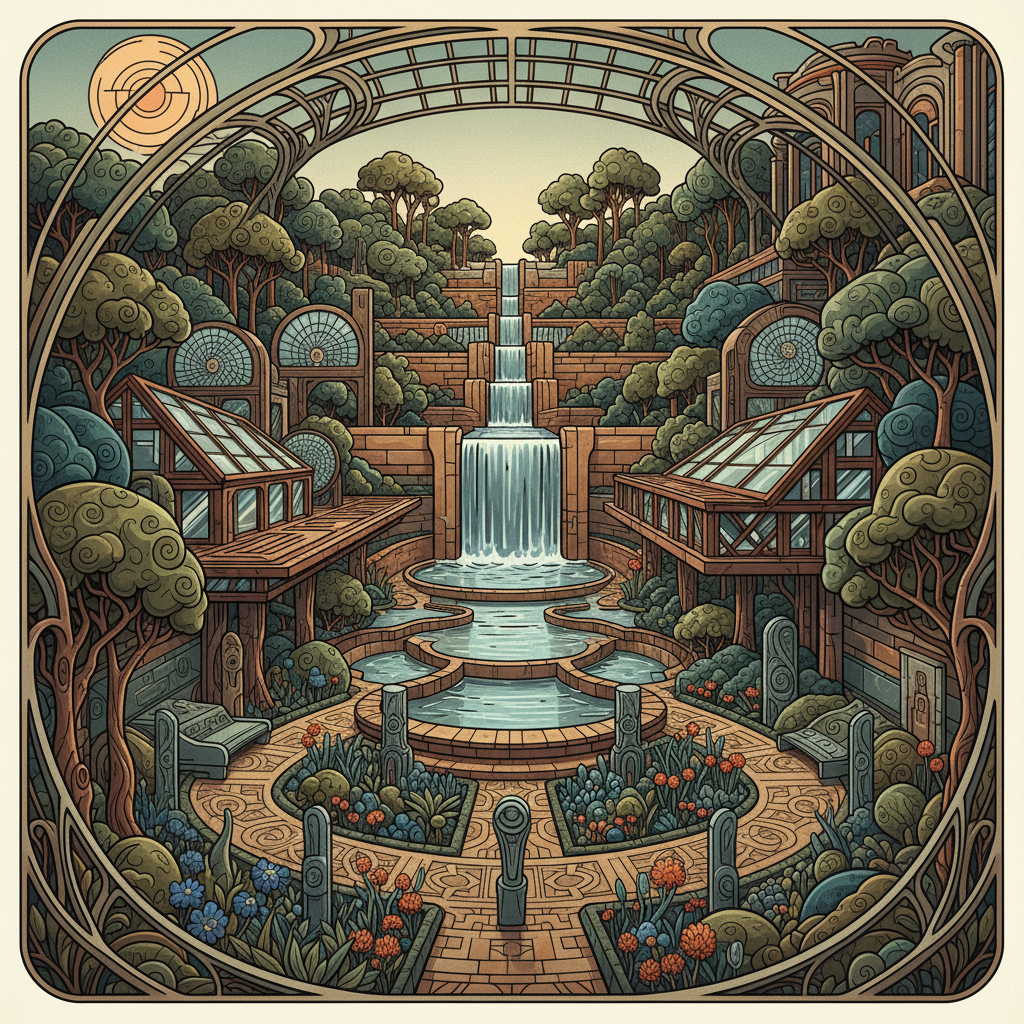
A model garden is a meticulously designed and maintained outdoor space that showcases a perfect blend of natural beauty, architectural elements, and artistic expression.
What are the key elements of a model garden?
The key elements of a model garden include careful selection of plant species, consideration of microclimates, and incorporation of architectural elements like pathways, water features, and sculptures.
What is the cultural significance of model gardens?
Model gardens have significant cultural and social implications, as they provide a platform for community engagement, education, and artistic expression.
How can model gardens promote sustainability?
Model gardens can promote sustainability by incorporating innovative technologies, such as green roofs, rainwater harvesting systems, and solar-powered irrigation, and by providing green spaces for recreation and relaxation.
What are some examples of model gardens?
Examples of model gardens include the gardens of the Palace of Versailles, the gardens of the Alcázar Palace in Segovia, Spain, and the model gardens of the Chicago Botanic Garden, or the New York Botanical Garden.