
Contents
Overview
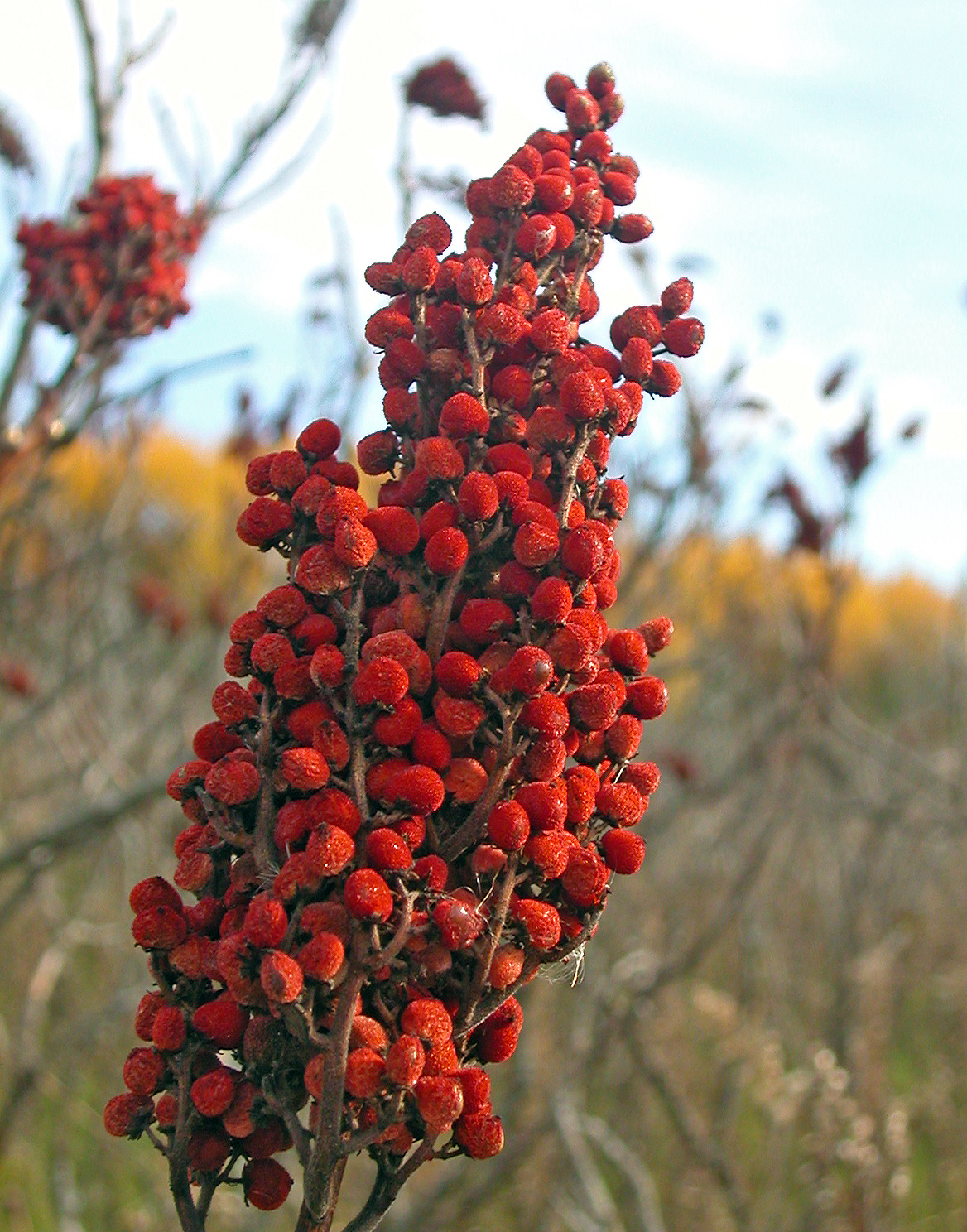
Sumac is native to subtropical and temperate regions. Sumac is used in a variety of products, from spices and teas to cosmetics and pharmaceuticals. The plant's unique flavor and aroma have made it a staple in many Middle Eastern and Mediterranean dishes.
🌿 Origins & History
Sumac is native to subtropical and temperate regions. The plant's unique flavor and aroma have made it a staple in many Middle Eastern and Mediterranean dishes.
⚙️ How It Works
The unique flavor and aroma of sumac are due to its high concentration of malic acid, which gives it a tangy, slightly sour taste. Sumac is often used in combination with other spices, such as cumin and coriander, to add depth and complexity to dishes. Sumac is used as a natural dye, with the plant's leaves and stems producing a range of colors from yellow to brown.
📊 Key Facts & Numbers
Sumac is used in a variety of products, from spices and teas to cosmetics and pharmaceuticals. Sumac is considered a superfood due to its potential health benefits. Sumac is used in many craft beers and specialty coffees.
👥 Key People & Organizations
Sumac has been used in traditional medicine to treat a range of ailments. Sumac is a staple in many Middle Eastern and Mediterranean cuisines. Sumac is used in many cosmetics and pharmaceuticals due to its antioxidant and anti-inflammatory properties.
🌍 Cultural Impact & Influence
Sumac is used in many different cuisines, including Middle Eastern, Mediterranean, and Indian cuisine. The plant's unique flavor and aroma have made it a popular ingredient in many dishes.
⚡ Current State & Latest Developments
Sumac is considered a superfood due to its potential health benefits. The plant's unique flavor and aroma have made it a staple in many Middle Eastern and Mediterranean dishes.
🤔 Controversies & Debates
Sumac is used in many practical applications, from cooking and medicine to cosmetics and pharmaceuticals. The plant's unique flavor and aroma make it a popular ingredient in many dishes.
🔮 Future Outlook & Predictions
Sumac is related to many other topics, including spices, herbs, and traditional medicine. The plant's unique flavor and aroma have made it a staple in many Middle Eastern and Mediterranean cuisines.
💡 Practical Applications
Sumac is used in many different products, from spices and teas to cosmetics and pharmaceuticals. The plant's unique flavor and aroma have made it a popular ingredient in many dishes.
Key Facts
- Category
- nature
- Type
- topic