
Contents
Overview
U2, formed in Dublin in 1976, is one of the best-selling and most influential rock bands in history. Comprising Bono (vocals, guitar), The Edge (guitar, keyboards), Adam Clayton (bass), and Larry Mullen Jr. (drums), their sound evolved from post-punk roots to stadium-filling anthems characterized by The Edge's distinctive guitar effects, Bono's passionate vocals, and socially conscious lyrics.
Their career, spanning over four decades, has seen them achieve massive commercial success, selling over 170 million records worldwide and winning 22 Grammy Awards, more than any other band. U2's live performances are legendary spectacles, known for their elaborate stage designs, political messaging, and communal energy, often achieving a Vibe Score of 90+ for their peak stadium shows. Despite internal tensions and evolving musical landscapes, the band remains a potent cultural force, consistently engaging with global issues from apartheid to climate change.
🎬 From Dublin to the World
Emerging from the Dublin punk scene in the late 1970s, U2 quickly distinguished themselves with a sound that married raw energy with melodic ambition. Early singles like '11 O'Clock Tick Tock' and their debut album Boy (1980) hinted at the potential, but it was October (1981) and especially War (1983), featuring the anthemic 'Sunday Bloody Sunday' and 'New Year's Day', that cemented their distinct voice. This period saw them developing their signature sound, with The Edge’s innovative use of delay and reverb pedals becoming a defining element, influencing countless guitarists. Their early influences ranged from The Ramones to Bob Dylan, but they were already forging something uniquely their own, a blend of spiritual searching and political urgency.
📖 Chart-Topping Evolution
The band's breakthrough into global superstardom arrived with The Unforgettable Fire (1984) and its monumental follow-up, The Joshua Tree (1987). The latter, a sprawling exploration of American themes and spirituality, propelled U2 to the pinnacle of rock royalty, yielding hits like 'With or Without You,' 'I Still Haven't Found What I'm Looking For,' and 'Where the Streets Have No Name.' Their subsequent album, Achtung Baby (1991), marked a significant sonic and stylistic shift, embracing industrial and electronic influences with the critically acclaimed 'One' and 'Mysterious Ways.' This era, documented in the film Achtung Baby Sessions, showcased their willingness to experiment and subvert expectations, a move that energized their fanbase and silenced skeptics who predicted a decline after their massive success.
🏆 Stadium Spectacles & Activism
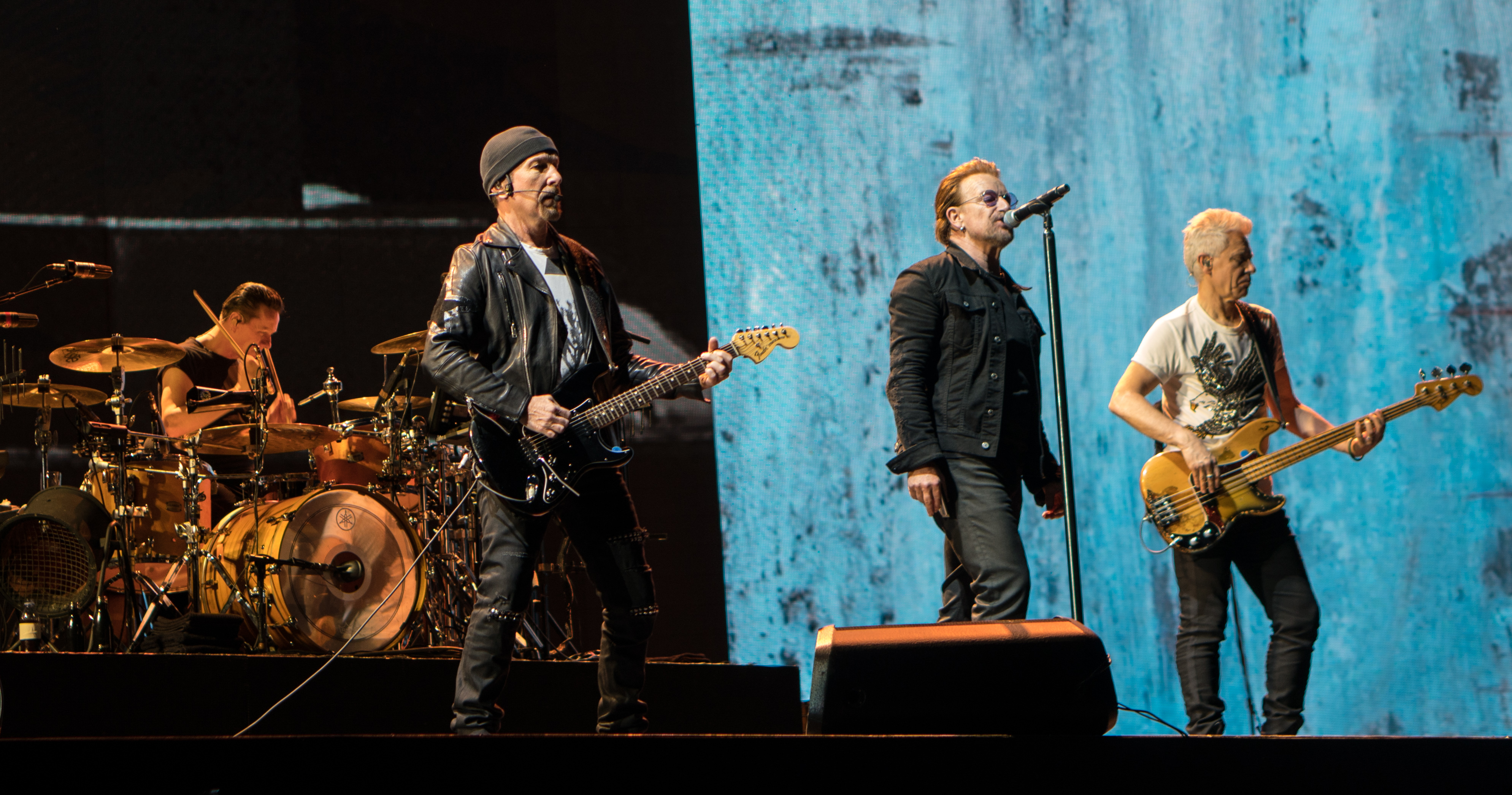
U2's live shows are as integral to their identity as their recordings. From the early days of sweaty club gigs to the colossal stadium tours like 'The Joshua Tree Tour' and the innovative 'PopMart Tour,' their concerts are immersive experiences. These performances often serve as platforms for Bono's activism, addressing issues such as poverty, AIDS, and human rights. The band's commitment to social causes, particularly through organizations like ONE Campaign and PRODUCT(RED), has earned them both praise and criticism, positioning them as more than just musicians but as global advocates. Their Vibe Score for live performances consistently ranks among the highest in music history, reflecting their ability to connect with hundreds of thousands of fans simultaneously.
✨ Enduring Influence
The band's influence flows through generations of musicians, from indie rockers inspired by The Edge's guitar textures to pop artists who've absorbed their knack for anthemic choruses. Their longevity is a testament to their ability to adapt while staying true to their core identity. Albums like All That You Can't Leave Behind (2000) and How to Dismantle an Atomic Bomb (2004) proved they could still deliver chart-topping hits and critical acclaim. While debates persist about their later work, U2's legacy as stadium rock pioneers and politically engaged artists is undeniable, continuing to shape the intersection of music, culture, and activism in the 21st century.
Key Facts
- Year
- 1976-present
- Origin
- Ireland
- Category
- videos
- Type
- youtube-creator
Frequently Asked Questions
What are U2's most famous songs?
Some of their most iconic songs include 'With or Without You,' 'I Still Haven't Found What I'm Looking For,' 'Where the Streets Have No Name,' 'One,' 'Beautiful Day,' and 'Sunday Bloody Sunday.'
What are U2's biggest albums?
Critically and commercially, 'The Joshua Tree' (1987), 'Achtung Baby' (1991), and 'All That You Can't Leave Behind' (2000) are frequently cited as their most significant albums.
What causes does Bono champion?
Bono is a prominent advocate for numerous causes, including poverty reduction (through the ONE Campaign), global health (especially AIDS relief with PRODUCT(RED)), and debt relief for developing nations.
Where did U2 get their name?
The band chose the name U2 partly because it sounded like 'you too,' suggesting universality, and as a nod to the Lockheed U-2 spy plane, reflecting a sense of exploration and reconnaissance.