
Summary
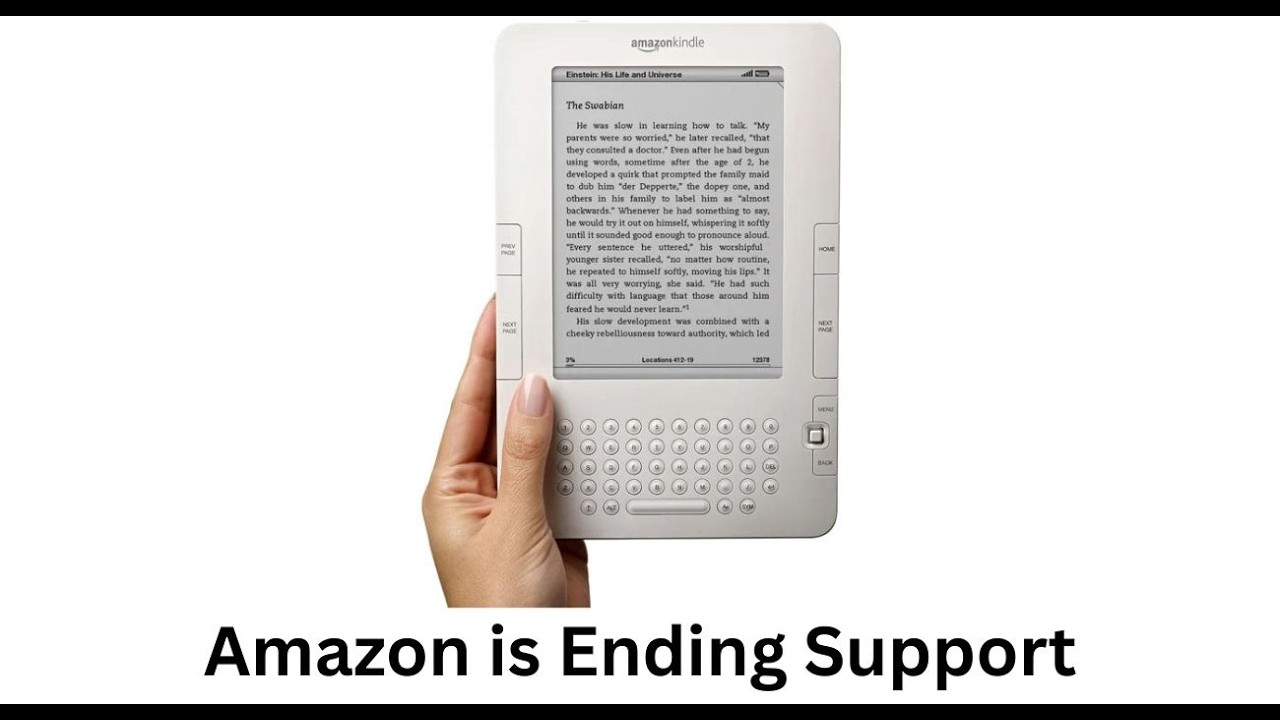
Amazon has officially ceased support for several older Kindle e-readers and tablets, including first and second-generation models, and the Kindle Touch, as of May 17, 2026. This move effectively renders these devices less functional, particularly for accessing new content or services. In response, a segment of owners is exploring [[jailbreaking|jailbreaking]]—a process of bypassing software restrictions—to regain full control and expanded functionality on their now-unsupported hardware. The discussion highlights a growing tension between proprietary ecosystems and user ownership rights, with some users opting for alternative e-readers that offer more open platforms.
Key Takeaways
- Amazon has ended support for several older Kindle models as of May 17, 2026.
- This discontinuation impacts the functionality of devices like the first/second-gen Kindles and Kindle Touch.
- Some users are turning to 'jailbreaking' to restore or enhance functionality on unsupported devices.
- The move reignites discussions about digital ownership, planned obsolescence, and user control over purchased hardware.
- Alternative e-readers with more open platforms are being considered by some users.
Balanced Perspective
Amazon's decision to end support for older devices is a standard practice in the tech industry, often driven by security concerns, the cost of maintaining legacy systems, and the desire to encourage upgrades to newer models. For users, this means a loss of official functionality and support, pushing them towards either purchasing new devices or exploring unofficial methods like [[jailbreaking|jailbreaking]]. The debate over user ownership versus manufacturer control continues, with no clear consensus on the ethical implications of modifying unsupported hardware.
Optimistic View
This is a golden opportunity for users to reclaim their hardware and explore the full potential of their devices. By [[jailbreaking|jailbreaking]], owners can install custom software, access a wider range of content, and extend the lifespan of their Kindles, turning them into versatile tools beyond Amazon's curated ecosystem. It signifies a victory for user empowerment and open-source principles in the face of corporate control, potentially spurring innovation in third-party Kindle applications.
Critical View
This move by Amazon is a clear example of planned obsolescence, forcing users to discard perfectly functional hardware and buy new devices, contributing to e-waste. The reliance on [[jailbreaking|jailbreaking]] also exposes users to potential security risks and voids any remaining warranty, while the loss of access to Amazon's ecosystem means a diminished reading experience. It underscores the precariousness of digital ownership in a world dominated by walled gardens and proprietary software.
Source
Originally reported by Slashdot