
Summary
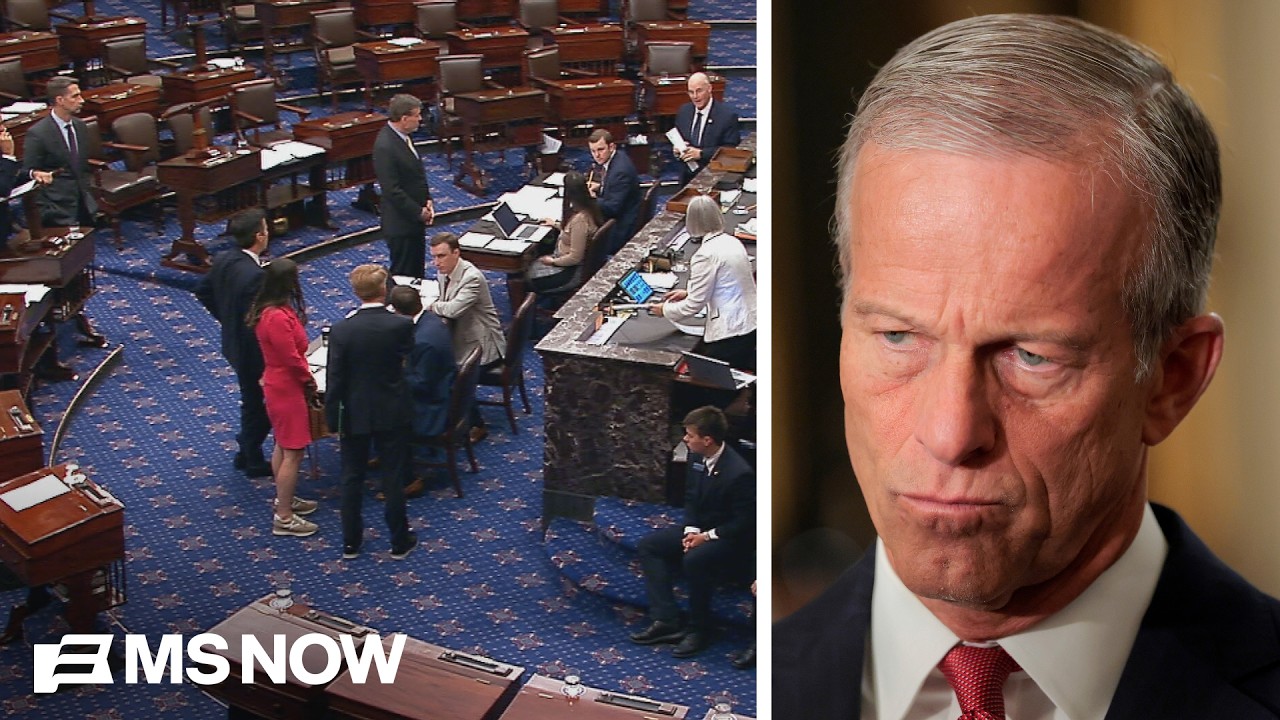
**Senators** have passed a contentious $70 billion funding package aimed at bolstering **ICE** and **Border Patrol**, amidst a backdrop of bipartisan dissent regarding President **Trump**'s proposed $1.8 billion “anti-weaponization” fund. The funding, which comes without restrictions on Trump's immigration policies, has reignited discussions about the role of federal agencies in immigration enforcement. Critics argue that this funding could exacerbate existing tensions surrounding immigration and civil rights. This legislative move reflects ongoing struggles within the GOP as they navigate internal divisions over immigration policy and enforcement priorities. [[trump-administration|Trump Administration]], [[immigration-policy|Immigration Policy]], [[border-security|Border Security]].
Key Takeaways
- The Senate has approved a $70 billion funding package for ICE and Border Patrol.
- The funding lacks limits on President Trump's immigration policies, raising concerns.
- Bipartisan tensions exist within the GOP regarding immigration enforcement strategies.
- Critics warn of potential civil rights violations stemming from increased funding.
- Supporters argue that the funding is crucial for national security and effective immigration management.
Balanced Perspective
The Senate's approval of the funding package reflects a complex political landscape where both parties are grappling with immigration issues. While the funding aims to enhance enforcement capabilities, it also faces criticism from various factions within the GOP, highlighting a divide over how best to approach immigration reform. The lack of limits on Trump's policies raises questions about the future direction of immigration enforcement in the U.S. [[bipartisan-support|Bipartisan Support]], [[immigration-reform|Immigration Reform]].
Optimistic View
Proponents of the funding argue that a robust budget for **ICE** and **Border Patrol** is essential for maintaining national security and managing immigration effectively. Supporters believe that increased resources will enable these agencies to better enforce laws and ensure safety at the borders. They contend that this funding could lead to more efficient operations, ultimately benefiting communities affected by illegal immigration. [[border-patrol|Border Patrol]], [[national-security|National Security]].
Critical View
Critics warn that the $70 billion funding could lead to increased militarization of immigration enforcement, potentially infringing on civil liberties and human rights. The absence of restrictions on Trump's policies raises concerns about the potential for abuse and overreach by federal agencies. Detractors argue that this funding could exacerbate tensions between communities and law enforcement, particularly among marginalized groups. [[civil-rights|Civil Rights]], [[immigration-abuse|Immigration Abuse]].
Source
Originally reported by NBC News