
Summary
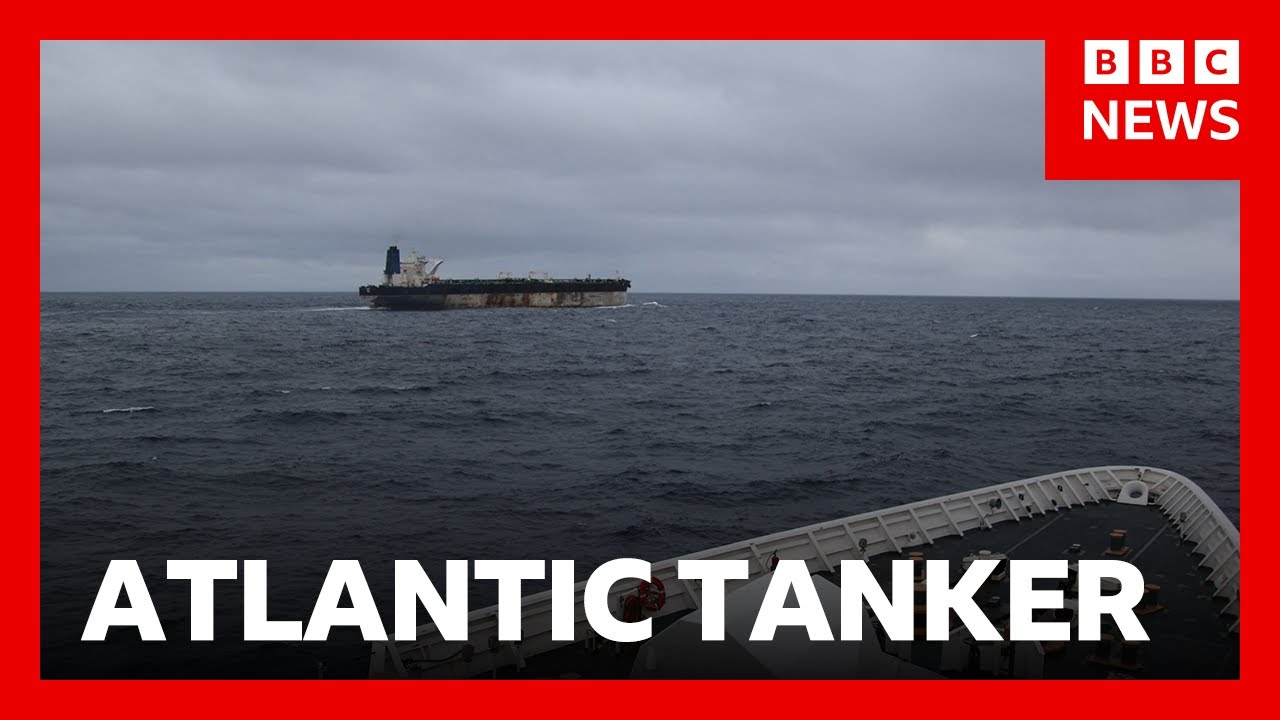
The **US Central Command** has confirmed that US aircraft disabled an oil tanker attempting to breach a blockade in the **Strait of Hormuz**. This incident marks the fourth consecutive day of US strikes against **Iran**, with President **Donald Trump** threatening further military action against Iranian power plants. The situation is rapidly evolving, raising concerns about broader regional implications and the potential for increased conflict in the Middle East. As the US escalates its military presence, the dynamics of international relations in the region are under intense scrutiny.
Key Takeaways
- US aircraft disabled a tanker in the Strait of Hormuz amid rising tensions with Iran.
- This incident marks the fourth consecutive day of US military strikes against Iranian targets.
- President Trump has threatened further military action against Iran's infrastructure.
- The Strait of Hormuz is a critical chokepoint for global oil transport.
- Escalating military actions could lead to broader conflict in the region.
Balanced Perspective
The confirmed facts indicate that US aircraft targeted an oil tanker in the Strait of Hormuz, a critical maritime route for oil shipments. The US military's actions come amid ongoing tensions with Iran, which has included a series of strikes over the past few days. While the blockade aims to prevent Iranian influence in the region, the situation remains fluid, with various stakeholders reacting to the escalating military engagement. The implications for international shipping and energy markets are significant but still unfolding.
Optimistic View
From a strategic standpoint, the US military's decisive action could deter future attempts by Iran to disrupt maritime traffic in the Strait of Hormuz, a vital chokepoint for global oil supplies. By demonstrating military readiness, the US may strengthen its negotiating position in future diplomatic discussions regarding Iran's nuclear program and regional influence. Additionally, this could galvanize allied nations to support a unified stance against Iranian aggression, potentially stabilizing the region in the long term.
Critical View
The ongoing military strikes and the disabling of the tanker could lead to a dangerous escalation of hostilities between the US and Iran. Critics argue that this aggressive posture risks igniting a broader conflict, potentially involving regional powers and destabilizing the already volatile Middle East. Furthermore, Trump's threats to target Iranian infrastructure may provoke retaliatory actions, complicating diplomatic efforts and endangering civilian lives in the region. The potential for miscalculation is high, raising alarms about the future of US-Iran relations.
Source
Originally reported by The Guardian