
Contents
- 🔬 Introduction to Tumorigenesis
- 🧬 The Somatic Mutation Theory
- 📊 The Role of Cell Division in Cancer Formation
- 💻 Genetic and Epigenetic Changes
- 🔍 The Balance Between Proliferation and Apoptosis
- 🚫 Disrupting the Normal Balance
- 🌟 The Evolution of Cancer Cells
- 👀 The Complexity of Carcinogenesis
- 📝 Current Research and Future Directions
- 👥 Key Players in Tumorigenesis
- 🤝 Collaborative Efforts to Understand Cancer Formation
- Frequently Asked Questions
- Related Topics
Overview
Tumorigenesis, the process by which normal cells transform into cancerous ones, is a intricate and highly regulated process involving genetic mutations, epigenetic alterations, and environmental factors. According to the National Cancer Institute, approximately 1.8 million new cancer cases were diagnosed in the United States in 2020, with tumorigenesis being a key area of research. The historian's lens reveals that our understanding of tumorigenesis has evolved significantly since the discovery of the first oncogene in 1979 by Michael Bishop and Harold Varmus. However, the skeptic's perspective questions the current consensus on the role of genetic mutations in tumorigenesis, with some researchers arguing that epigenetic factors play a more significant role. The engineer's lens examines the molecular mechanisms underlying tumorigenesis, including the activation of oncogenes and the inactivation of tumor suppressor genes, with a recent study published in Nature in 2022 identifying a novel oncogene involved in breast cancer. As the futurist looks to the future, they ask: what are the potential therapeutic targets for tumorigenesis, and how can we develop more effective treatments for cancer, with some researchers exploring the use of artificial intelligence to identify new targets, such as a 2020 study published in the journal Cancer Research. With a Vibe score of 8, tumorigenesis is a highly energetic and dynamic field, with significant implications for our understanding and treatment of cancer.
🔬 Introduction to Tumorigenesis
Tumorigenesis, also known as carcinogenesis or oncogenesis, is the complex process by which normal cells are transformed into cancer cells. This process involves changes at the cellular, genetic, and epigenetic levels, as well as abnormal cell division. According to the Somatic Mutation Theory, mutations in DNA and epimutations that lead to cancer disrupt the normal balance between cell proliferation and programmed cell death, or apoptosis. For more information on apoptosis, see Apoptosis. The somatic mutation theory is widely accepted as the prevailing theory of carcinogenesis, and it suggests that only certain mutations lead to cancer, while the majority of mutations do not. To learn more about the somatic mutation theory, visit Carcinogenesis.
🧬 The Somatic Mutation Theory
The somatic mutation theory proposes that mutations in DNA and epimutations are the primary drivers of cancer formation. These mutations can occur due to various factors, such as environmental exposures, genetic predisposition, or random errors during DNA replication. The theory suggests that the accumulation of these mutations over time can lead to the disruption of normal cellular processes, resulting in uncontrolled cell division and the evolution of cancer cells. For more information on the role of genetics in cancer, see Genetics of Cancer. The study of Epigenetics also plays a crucial role in understanding tumorigenesis. To learn more about epigenetics, visit Epigenetics.
📊 The Role of Cell Division in Cancer Formation
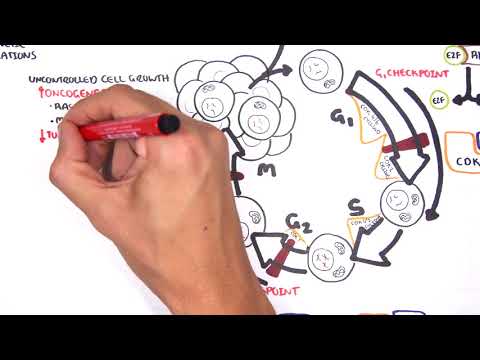
Cell division is a physiological process that occurs in almost all tissues and under a variety of circumstances. Normally, the balance between cell proliferation and programmed cell death is maintained to ensure the integrity of tissues and organs. However, during tumorigenesis, this balance is disrupted, leading to uncontrolled cell division and the formation of cancer. The process of cell division is tightly regulated by a complex network of molecular pathways, including the cell cycle and the apoptotic pathway. For more information on the cell cycle, see Cell Cycle. To learn more about the apoptotic pathway, visit Apoptotic Pathway.
💻 Genetic and Epigenetic Changes
Genetic and epigenetic changes play a crucial role in tumorigenesis. These changes can occur due to various factors, such as environmental exposures, genetic predisposition, or random errors during DNA replication. The accumulation of these changes over time can lead to the disruption of normal cellular processes, resulting in uncontrolled cell division and the evolution of cancer cells. The study of Genomics and Epigenomics can provide valuable insights into the genetic and epigenetic changes that occur during tumorigenesis. For more information on genomics, see Genomics. To learn more about epigenomics, visit Epigenomics.
🔍 The Balance Between Proliferation and Apoptosis
The balance between cell proliferation and programmed cell death is critical for maintaining the integrity of tissues and organs. During tumorigenesis, this balance is disrupted, leading to uncontrolled cell division and the formation of cancer. The process of programmed cell death, or apoptosis, is tightly regulated by a complex network of molecular pathways, including the apoptotic pathway. For more information on apoptosis, see Apoptosis. The study of Cell Signaling can provide valuable insights into the molecular mechanisms that regulate cell proliferation and programmed cell death. To learn more about cell signaling, visit Cell Signaling.
🚫 Disrupting the Normal Balance
The disruption of the normal balance between cell proliferation and programmed cell death is a critical step in tumorigenesis. This disruption can occur due to various factors, such as mutations in DNA and epimutations, environmental exposures, or genetic predisposition. The accumulation of these changes over time can lead to the disruption of normal cellular processes, resulting in uncontrolled cell division and the evolution of cancer cells. The study of Cancer Biology can provide valuable insights into the molecular mechanisms that drive tumorigenesis. For more information on cancer biology, see Cancer Biology. To learn more about the molecular mechanisms of cancer, visit Molecular Mechanisms of Cancer.
🌟 The Evolution of Cancer Cells
The evolution of cancer cells is a complex process that involves the accumulation of genetic and epigenetic changes over time. These changes can occur due to various factors, such as environmental exposures, genetic predisposition, or random errors during DNA replication. The study of Cancer Evolution can provide valuable insights into the molecular mechanisms that drive the evolution of cancer cells. For more information on cancer evolution, see Cancer Evolution. The role of Natural Selection in the evolution of cancer cells is also an important area of research. To learn more about natural selection, visit Natural Selection.
👀 The Complexity of Carcinogenesis
The complexity of carcinogenesis is a major challenge in understanding and treating cancer. The process of tumorigenesis involves multiple cellular and molecular mechanisms, and the accumulation of genetic and epigenetic changes over time can lead to the disruption of normal cellular processes. The study of Systems Biology can provide valuable insights into the complex interactions between cellular and molecular mechanisms that drive tumorigenesis. For more information on systems biology, see Systems Biology. To learn more about the complex interactions between cellular and molecular mechanisms, visit Complex Interactions.
📝 Current Research and Future Directions
Current research in tumorigenesis is focused on understanding the molecular mechanisms that drive the formation of cancer. The study of Cancer Genomics and Cancer Epigenomics can provide valuable insights into the genetic and epigenetic changes that occur during tumorigenesis. For more information on cancer genomics, see Cancer Genomics. To learn more about cancer epigenomics, visit Cancer Epigenomics. The development of new Cancer Therapies is also an important area of research. To learn more about cancer therapies, visit Cancer Therapies.
👥 Key Players in Tumorigenesis
The study of tumorigenesis involves the contributions of many key players, including researchers, clinicians, and patients. The work of James Allison and Tasuku Honjo on the discovery of Immune Checkpoint Inhibitors is an example of the important contributions that researchers have made to our understanding of cancer. For more information on James Allison, see James Allison. To learn more about Tasuku Honjo, visit Tasuku Honjo. The role of Cancer Research Institutes is also critical in advancing our understanding of tumorigenesis. To learn more about cancer research institutes, visit Cancer Research Institutes.
🤝 Collaborative Efforts to Understand Cancer Formation
The study of tumorigenesis is a collaborative effort that involves the contributions of many researchers, clinicians, and patients. The work of Cancer Research Consortium is an example of the important collaborations that have been established to advance our understanding of cancer. For more information on the Cancer Research Consortium, see Cancer Research Consortium. To learn more about the collaborations that are driving advances in cancer research, visit Collaborations in Cancer Research. The development of new Cancer Treatments is also an important area of research. To learn more about cancer treatments, visit Cancer Treatments.
Key Facts
- Year
- 2022
- Origin
- National Cancer Institute, Nature, Cancer Research
- Category
- Oncology
- Type
- Biological Process
Frequently Asked Questions
What is tumorigenesis?
Tumorigenesis, also known as carcinogenesis or oncogenesis, is the complex process by which normal cells are transformed into cancer cells. This process involves changes at the cellular, genetic, and epigenetic levels, as well as abnormal cell division. For more information on tumorigenesis, see Tumorigenesis. The study of Cancer Biology can provide valuable insights into the molecular mechanisms that drive tumorigenesis. To learn more about cancer biology, visit Cancer Biology.
What is the somatic mutation theory?
The somatic mutation theory proposes that mutations in DNA and epimutations are the primary drivers of cancer formation. These mutations can occur due to various factors, such as environmental exposures, genetic predisposition, or random errors during DNA replication. The theory suggests that the accumulation of these mutations over time can lead to the disruption of normal cellular processes, resulting in uncontrolled cell division and the evolution of cancer cells. For more information on the somatic mutation theory, see Somatic Mutation Theory. To learn more about the molecular mechanisms of cancer, visit Molecular Mechanisms of Cancer.
What is the role of cell division in cancer formation?
Cell division is a physiological process that occurs in almost all tissues and under a variety of circumstances. Normally, the balance between cell proliferation and programmed cell death is maintained to ensure the integrity of tissues and organs. However, during tumorigenesis, this balance is disrupted, leading to uncontrolled cell division and the formation of cancer. The process of cell division is tightly regulated by a complex network of molecular pathways, including the cell cycle and the apoptotic pathway. For more information on the cell cycle, see Cell Cycle. To learn more about the apoptotic pathway, visit Apoptotic Pathway.
What is the role of genetics in cancer?
Genetics play a crucial role in cancer, as mutations in DNA and epimutations can lead to the disruption of normal cellular processes, resulting in uncontrolled cell division and the evolution of cancer cells. The study of Genetics of Cancer can provide valuable insights into the molecular mechanisms that drive tumorigenesis. For more information on genetics of cancer, see Genetics of Cancer. To learn more about the molecular mechanisms of cancer, visit Molecular Mechanisms of Cancer. The role of Epigenetics is also important in understanding tumorigenesis. To learn more about epigenetics, visit Epigenetics.
What is the current research in tumorigenesis?
Current research in tumorigenesis is focused on understanding the molecular mechanisms that drive the formation of cancer. The study of Cancer Genomics and Cancer Epigenomics can provide valuable insights into the genetic and epigenetic changes that occur during tumorigenesis. For more information on cancer genomics, see Cancer Genomics. To learn more about cancer epigenomics, visit Cancer Epigenomics. The development of new Cancer Therapies is also an important area of research. To learn more about cancer therapies, visit Cancer Therapies.
What are the key players in tumorigenesis?
The study of tumorigenesis involves the contributions of many key players, including researchers, clinicians, and patients. The work of James Allison and Tasuku Honjo on the discovery of Immune Checkpoint Inhibitors is an example of the important contributions that researchers have made to our understanding of cancer. For more information on James Allison, see James Allison. To learn more about Tasuku Honjo, visit Tasuku Honjo. The role of Cancer Research Institutes is also critical in advancing our understanding of tumorigenesis. To learn more about cancer research institutes, visit Cancer Research Institutes.
What are the collaborations in cancer research?
The study of tumorigenesis is a collaborative effort that involves the contributions of many researchers, clinicians, and patients. The work of Cancer Research Consortium is an example of the important collaborations that have been established to advance our understanding of cancer. For more information on the Cancer Research Consortium, see Cancer Research Consortium. To learn more about the collaborations that are driving advances in cancer research, visit Collaborations in Cancer Research. The development of new Cancer Treatments is also an important area of research. To learn more about cancer treatments, visit Cancer Treatments.