
Contents
- ✨ What is the Yazidi Relief Fund?
- 🎯 Who Benefits and How?
- 📍 Operational Reach & Impact
- 🤝 How to Contribute Effectively
- ⚖️ Transparency and Accountability
- ❓ Understanding the Yazidi Crisis
- 💡 Beyond Financial Aid: Other Support
- 📈 Measuring Success: Impact Metrics
- ⚠️ Potential Pitfalls and Considerations
- 🚀 The Future of Yazidi Support
- Frequently Asked Questions
- Related Topics
Overview
The Yazidi Relief Fund is a critical initiative dedicated to providing essential support to the Yazidi community, a religious minority disproportionately targeted by genocide. Established in response to the atrocities committed by ISIS, these funds aim to address immediate needs such as shelter, food, medical care, and psychological trauma support. Beyond immediate relief, the fund also supports long-term recovery efforts, including education, economic empowerment, and the preservation of Yazidi culture and heritage. Understanding the scope and impact of these funds is crucial for effective humanitarian intervention and for ensuring the resilience of a community facing ongoing challenges. This guide offers practical insights into how these funds operate and how individuals can contribute meaningfully.
✨ What is the Yazidi Relief Fund?
The Yazidi Relief Fund is a dedicated initiative focused on providing critical humanitarian assistance and long-term support to the Yazidi community, a religious minority that has faced severe persecution, particularly from ISIS. Established in response to the genocide and displacement of thousands, the fund aims to address immediate needs like shelter, food, and medical care, while also investing in rebuilding lives and communities. It operates as a crucial lifeline, channeling resources directly to those most affected by the ongoing crisis in Sinjar and beyond. The fund's mission is rooted in a commitment to justice, dignity, and the preservation of Yazidi culture.
🎯 Who Benefits and How?
The primary beneficiaries of the Yazidi Relief Fund are Yazidi survivors of genocide, including internally displaced persons (IDPs) and refugees, particularly women and children who have endured immense trauma. Support extends to families seeking to rebuild their lives, individuals requiring specialized medical and psychological care, and communities striving to restore essential infrastructure. The fund prioritizes aid based on vulnerability, ensuring that those with the greatest need receive timely and comprehensive assistance. This targeted approach is vital for addressing the specific challenges faced by the Yazidi population.
📍 Operational Reach & Impact
The operational reach of the Yazidi Relief Fund is concentrated in the Sinjar region of Iraq, the ancestral homeland of the Yazidis, as well as in refugee camps and host communities in neighboring countries like Syria and Turkey. The fund works through a network of trusted local partners and international NGOs to deliver aid efficiently and effectively. Its impact is measured not only in the immediate relief provided but also in the sustained efforts to foster resilience and self-sufficiency within the Yazidi community. The scale of displacement and destruction necessitates a broad and persistent operational footprint.
🤝 How to Contribute Effectively
Contributing to the Yazidi Relief Fund can take several forms, with financial donations being the most direct way to support its operations. Individuals can make one-time or recurring donations through the fund's official website, ensuring their contributions reach those in need. Beyond monetary gifts, the fund also welcomes in-kind donations of essential supplies, though coordination with the fund is crucial to ensure these items meet specific requirements. Raising awareness about the Yazidi crisis through social media and advocacy is another powerful way to amplify the fund's reach and impact. Every contribution, regardless of size, plays a vital role.
⚖️ Transparency and Accountability
Transparency and accountability are cornerstones of the Yazidi Relief Fund's operations, aiming to build trust with donors and ensure that aid is utilized effectively. The fund typically publishes regular financial reports detailing how donations are allocated, including administrative costs and program expenditures. Independent audits are often conducted to verify financial integrity and operational efficiency. This commitment to openness allows donors to see the tangible results of their generosity and understand the challenges and successes of the relief efforts. Scrutiny of these reports is encouraged for all potential donors.
❓ Understanding the Yazidi Crisis
The Yazidi crisis is a complex humanitarian catastrophe stemming from the systematic persecution and genocide perpetrated by ISIS starting in 2014. Thousands of Yazidis were killed, enslaved, or forcibly displaced from their homes in Sinjar. Women and girls were subjected to widespread sexual violence and trafficking, while men and boys were often executed. The destruction of religious sites and cultural heritage further exacerbated the trauma. Understanding this historical context is crucial for appreciating the depth of need and the importance of sustained support for the Yazidi community's recovery and justice.
💡 Beyond Financial Aid: Other Support
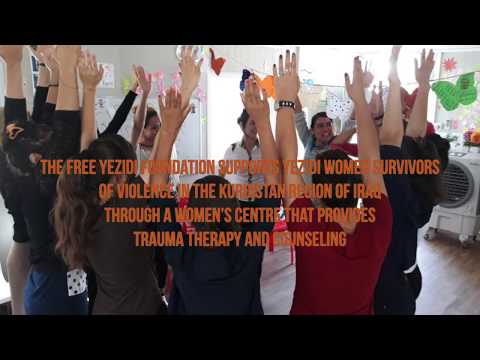
Beyond direct financial aid, the Yazidi Relief Fund often facilitates or supports other crucial forms of assistance. This includes programs focused on trauma counseling and mental health support for survivors, educational initiatives to help displaced children continue their schooling, and vocational training to empower adults with new skills for economic independence. Efforts to document war crimes and advocate for justice for the Yazidi people are also integral components of the broader support ecosystem. These multifaceted approaches are essential for holistic recovery and long-term well-being.
📈 Measuring Success: Impact Metrics
The success of the Yazidi Relief Fund is measured through a combination of quantitative and qualitative metrics. Quantitative indicators include the number of individuals receiving food, shelter, medical treatment, and educational support, as well as the amount of funding disbursed for reconstruction projects. Qualitative assessments often involve feedback from beneficiaries regarding the impact of the aid on their lives, improvements in community well-being, and the restoration of essential services. Tracking these metrics allows the fund to adapt its strategies and demonstrate its effectiveness to stakeholders and the public.
⚠️ Potential Pitfalls and Considerations
Potential pitfalls in supporting humanitarian efforts like the Yazidi Relief Fund include the risk of aid diversion, bureaucratic inefficiencies, and the challenges of operating in unstable regions. Donors should be aware of the importance of vetting organizations for transparency and effectiveness. Furthermore, the long-term nature of recovery means that sustained attention and funding are critical, as immediate crises can fade from public view. Navigating the complexities of aid delivery in conflict zones requires careful planning and robust oversight to mitigate these risks and ensure maximum impact.
🚀 The Future of Yazidi Support
The future of Yazidi support hinges on continued international commitment to justice, accountability, and the long-term recovery of the community. The Yazidi Relief Fund, alongside other advocacy groups, will likely focus on advocating for the return of IDPs to Sinjar under secure conditions, supporting the prosecution of perpetrators of genocide, and investing in sustainable development projects. The goal is to move beyond emergency relief towards empowering the Yazidi community to rebuild their lives and preserve their unique cultural heritage for generations to come. The ongoing efforts are a testament to the resilience of the Yazidi people.
Key Facts
- Year
- 2014
- Origin
- Established in the wake of the 2014 Sinjar massacre by ISIS, the concept of dedicated Yazidi relief funds emerged from a global outcry for humanitarian intervention and accountability.
- Category
- Humanitarian Aid & Advocacy
- Type
- Organization/Initiative
Frequently Asked Questions
How can I be sure my donation is used effectively?
The Yazidi Relief Fund prioritizes transparency. They typically publish detailed financial reports outlining how funds are allocated, including administrative costs and program expenditures. Many organizations also undergo independent audits. It's advisable to review their latest annual report or impact statement on their official website to understand their accountability mechanisms and track record. Look for evidence of direct program impact and beneficiary testimonials.
What is the most pressing need for the Yazidi community right now?
While immediate needs like food and shelter remain critical, long-term recovery efforts are paramount. This includes psychological support for survivors of trauma, educational opportunities for displaced children, and economic empowerment through vocational training. Rebuilding infrastructure in areas like Sinjar and ensuring security for returnees are also significant ongoing challenges that require sustained attention.
Can I donate items instead of money?
While in-kind donations can be valuable, it's crucial to coordinate directly with the Yazidi Relief Fund or its partner organizations before sending any items. They can provide specific guidance on what is needed most and the most effective way to get those items to the intended recipients. Unsolicited or inappropriate donations can sometimes create logistical burdens. Financial contributions offer greater flexibility for the fund to procure exactly what is required.
What is the difference between emergency relief and long-term support?
Emergency relief focuses on immediate, life-saving assistance such as food, water, shelter, and basic medical care during a crisis. Long-term support, on the other hand, addresses the recovery and rebuilding phase. This includes psychological healing, education, economic development, infrastructure repair, and advocacy for justice and human rights. The Yazidi Relief Fund engages in both, recognizing that sustainable recovery requires sustained effort beyond the initial emergency.
How can I help raise awareness about the Yazidi crisis?
Raising awareness is a powerful form of support. You can share information about the Yazidi crisis and the work of relief organizations on social media, write to your elected officials to advocate for continued humanitarian aid and justice, and educate your friends and family. Participating in or organizing awareness events can also amplify the message and encourage further support for the Yazidi community.